
School should also be a place where I feel I belong
Speaking up without fear of ridicule, making a mistake, asking for help or saying when something bothers me. These are all signs of a safe and supportive classroom environment.
At People in Peril, we work with children and teachers to create an environment where children feel accepted and respected, and where support is available to them. Relationships built on trust, mutual respect and the freedom to express their needs safely can strengthen children’s sense of belonging at school and encourage them to stay in education.
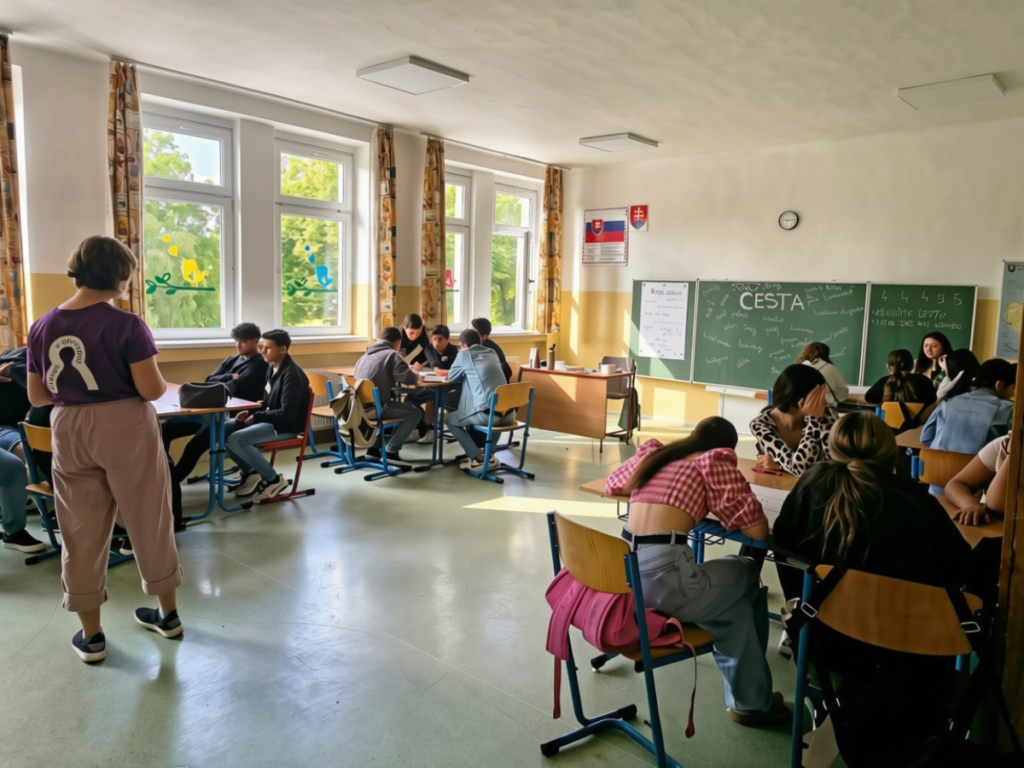
When a child does not want to go to school, the reasons may also be linked to how they feel there and their relationships with others. Fear of ridicule, loneliness or feeling excluded in the classroom can affect both their willingness to participate in lessons and their school attendance. In supporting young people, we therefore also pay attention to their experiences within the group, their sense of safety and whether they have someone they can trust and turn to for support.
“When supporting a young person, if we notice that their loss of interest in attending school is linked to relationships in the classroom or feeling excluded, we contact the school to offer our support. However, fostering a safe classroom environment is an ongoing process. Creating opportunities to get to know one another, understand our own feelings, recognise classmates’ needs and agree together on how to treat one another can help prevent difficulties and identify them early,” explains Lucia Sivoková, Head of the Education Programme at People in Peril.
The classroom atmosphere is shaped by everyday relationships and the way children and adults communicate, respond to mistakes, differing opinions and individual needs, and resolve conflicts together. A safe and supportive environment also means that pupils feel able to admit when they do not understand something, ask for help or speak up about behaviour that hurts them. Feeling safe and accepted can encourage them to attend school and continue their education.
Through the KOMPOD project – Comprehensive Support for Inclusion and Equal Opportunities for Children and Young People from Marginalised Roma Communities – we therefore also work to foster a supportive classroom environment. In doing so, we also draw on our experiences from sessions held in Zvolen and Spišská Nová Ves.
Understanding what is happening in the classroom
The first step is to listen to and understand the experiences of those involved. A concern may be raised by a young person, the staff member supporting them or the school itself. Conversations and group activities then help identify pupils’ needs and agree on where to focus support.
In Zvolen, while supporting a pupil, our colleague identified difficulties in his relationships with classmates and teachers. In agreement with the school leadership and support team, we held a training session for teaching staff and three sessions with pupils focusing on relationships at school.
“We created space for young people to reflect on how they feel in the classroom, what they are going through and the experiences they bring with them. We also explored how others might experience the same situations and what they need to feel accepted. Although they were already in their second year, they themselves pointed out that they had few opportunities to get to know one another better,” Lucia explains.
Being in the same class does not automatically mean that pupils know and trust one another. That is why, when working with a class, we create opportunities for pupils to get to know each other, listen to one another, express their own needs and recognise those of others. We also help them understand how their behaviour affects others and how each of them can contribute to a safer classroom environment.

We all have prejudices, but we can work on them
Teachers spend much of the day with children, and their reactions and approach help shape the classroom atmosphere. They, too, need space to ask questions, make sense of challenging situations and explore approaches they can use in their everyday work.
Through KOMPOD, we therefore offer schools training in three interconnected areas. The first is understanding intergenerational poverty and the experiences children bring to school. This support also includes being sensitive to children’s individual and special educational needs.
The second area is our own attitudes and self-reflection. Our preconceptions about a child can shape both our expectations and how we interpret their behaviour.
“Prejudices can also influence what we expect of a child and how we interpret their behaviour. That is why it is important to pause and ask ourselves: What do I really know about this child, and what am I merely assuming? When we are willing to see the situation from their perspective too, we create space to understand them better and explore what support they need,” says Lucia.
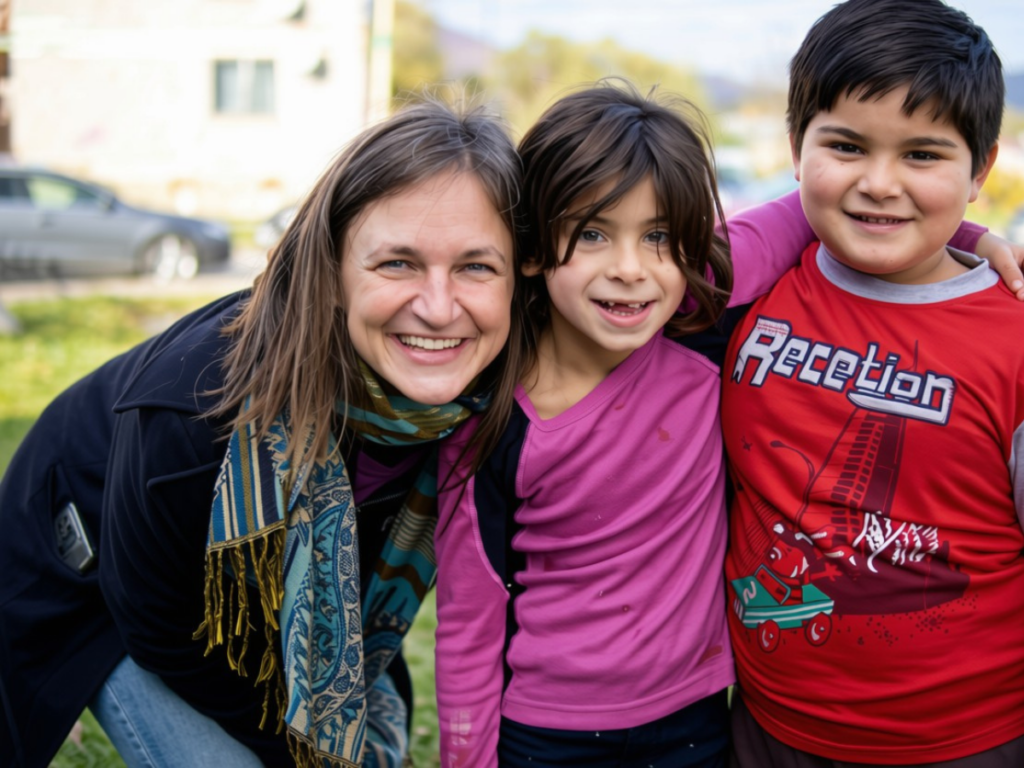
The third area is creating a safe and supportive classroom environment. We work with teachers on ways to foster relationships among children, create space for them to express their needs and involve them in agreeing on how the class works together. We also explore how teaching staff can collaborate and take a shared approach to providing this support. We emphasise nurturing relationships every day, which can help prevent exclusion, humiliation and bullying.
What needs to change so we can feel comfortable together?
“Imagine that your class is a team that will be working together for another five years. What would need to change for people to support one another more and feel comfortable here?” We asked pupils this question during one of our activities in Spišská Nová Ves. Their written answers included “Being honest with each other face to face”, “Communication” and “Not laughing at others”. The children also mentioned the need to avoid hurtful remarks and suggested having coffee together or meeting up after school.
Their answers show that they can identify both what bothers them and what they need. What matters is creating space for them to say these things out loud, listen to one another and explore what they can change together. In this way, children help shape how their class works together. Their suggestions can lead to concrete agreements: not putting others down, speaking openly with one another or making time to get to know each other.
“Children themselves identify what they need to feel comfortable in the classroom and work together to agree on ways to get along better. In doing so, they learn to express their needs and stand up for themselves, while also listening to others and being sensitive to their needs. They do not have to agree on everything, but they can learn to respect that others may experience the same situation differently and need something different,” Lucia explains.
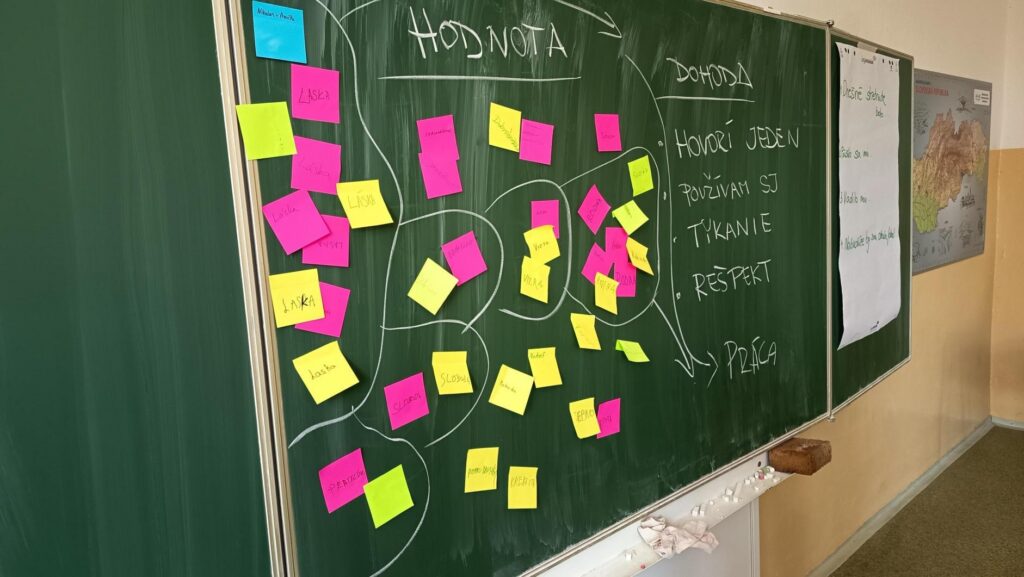
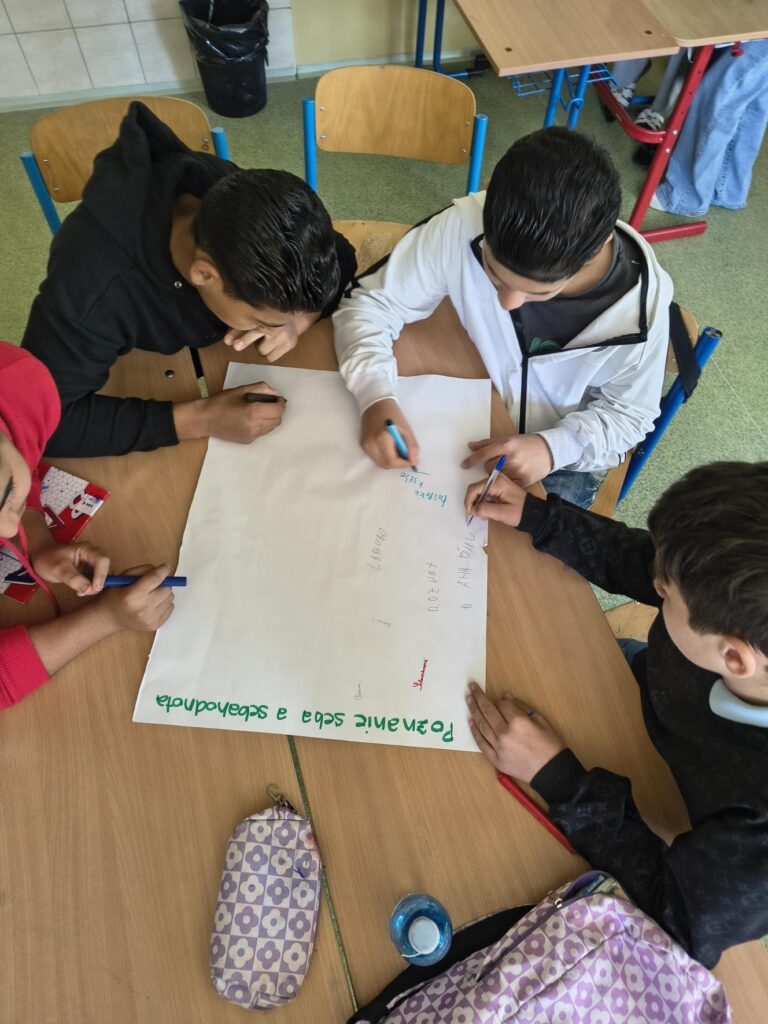
Through experiential activities, we also explore self-awareness, self-worth, resilience and coping with difficult situations or change. These activities give children space to reflect on themselves and how their behaviour affects others.
The right to education also requires a safe environment
Children and adults both help create a healthy school environment. The aim is for every child to be able to exercise their right to education safely. To learn, make mistakes and ask for help without fear of humiliation or rejection. And for the school environment to support them in continuing their education.
The KOMPOD project (Comprehensive Support for Inclusion and Equal Opportunities for Children and Young People from Marginalised Roma Communities) is co-funded by the European Union under the Slovakia Programme. The project runs from 1 February 2026 to 31 January 2028 in Prešov, Kojatice, Petrovany, Sveržov, Roškovce, Spišská Nová Ves, Zvolen, Lučenec and Plavecký Štvrtok.
