It’s easier to talk about health where we feel safe
Talking to a gynaecologist, having your blood pressure checked or learning how to give first aid. At our Health Festivals, we connect people from local communities with professionals in familiar surroundings.

Accessible healthcare also means getting clear answers to our questions and knowing where to turn when we have health concerns. Yet people from marginalised Roma communities face many barriers when seeking care. That is why, at People in Peril, we bring advice, health education and basic health checks directly to the places where they live and feel safe.
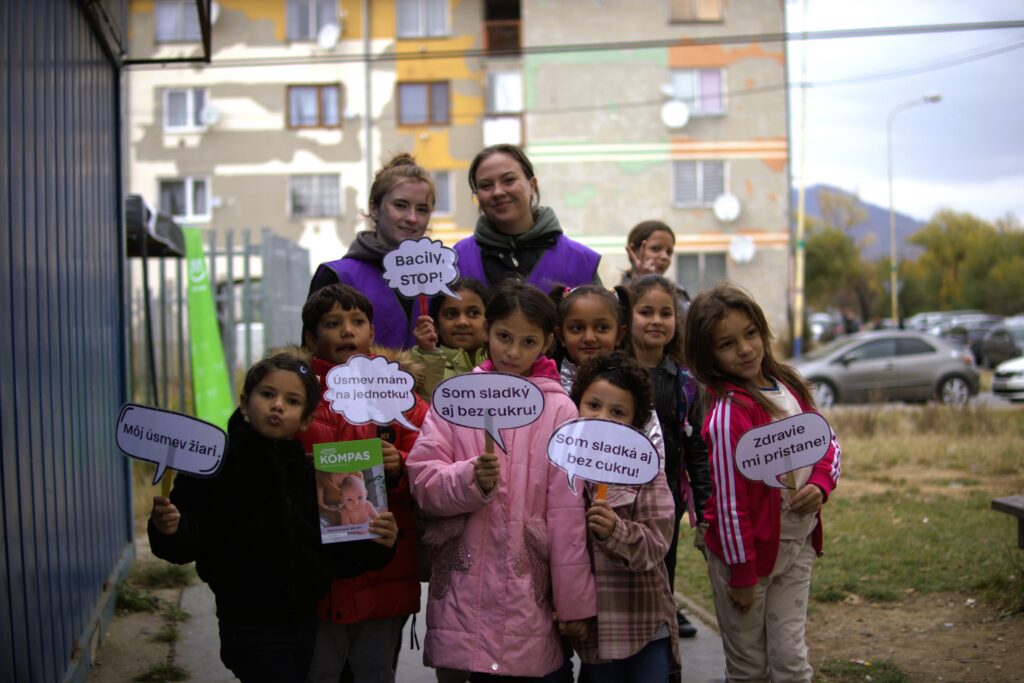
During September and October, we held the second edition of our Health Festivals in Sveržov, Roškovce, Petrovany, Kojatice, Zvolen and Prešov. Adults and children spoke with professionals about looking after their health – why regular check-ups matter, when to see a doctor, how to eat well and how to care for their teeth. We also created a safe space for women and girls to have private conversations and ask sensitive questions. Alongside making information and advice more accessible, we want to strengthen people’s trust in healthcare professionals.
“We launched both the first and second editions of the Health Festivals here in Sveržov, and I’d love to continue this tradition next year. It’s an event we enjoy, and this year it brought together around a hundred people,” said Daniel Macej from the community centre in Sveržov after the festival.
Prevention we can understand
In Roškovce, parents spoke with a paediatrician about vaccinations, vaccination schedules and signs of illness in children. In Sveržov, we also discussed HPV vaccination and breast cancer prevention. The programme included a practical demonstration of breast self-examination.
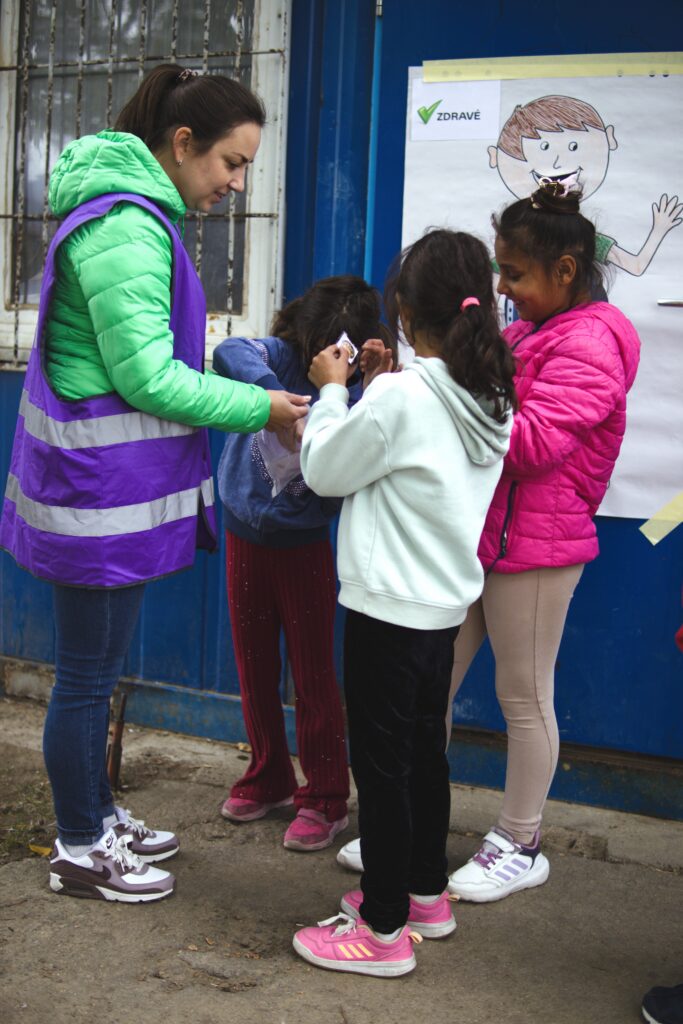
When discussing dental care, we focused on the importance of regular check-ups and what children and adults can do at home every day to keep their teeth healthy. In Prešov, for example, children and adults practised proper toothbrushing techniques. We also took families’ financial circumstances and other resources into account to ensure the advice was practical for their everyday lives.
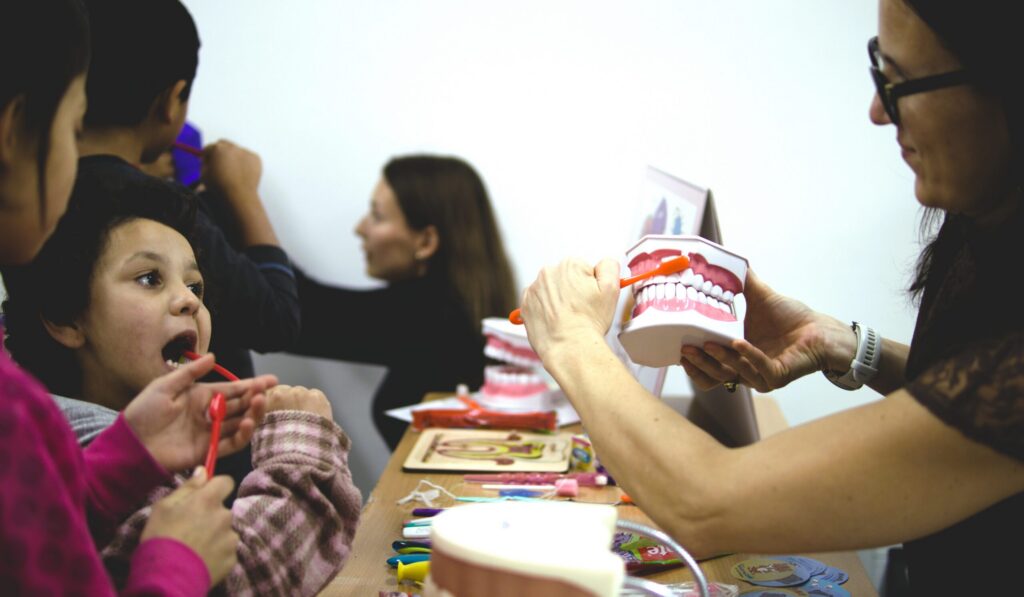
Making information easy to understand mattered to us across every topic. Feedback showed that 98% of respondents understood the health information provided. As many as 83% could also name something specific they had learnt – for example, about blood pressure, diabetes, breast self-examination, first aid or healthy eating.
The professionals who offered advice, carried out health checks and gave talks during the festivals also noticed people’s interest. “Many remembered information from last year’s event,” said a doctor from Sveržov. This experience also shows the value of taking a long-term approach to health education and revisiting these topics regularly.
“I was particularly pleased by the festival participants’ sincere interest, their willingness to engage and, above all, their curiosity and eagerness to learn more about oral health,” said a specialist from the Faculty of Health Care at the University of Prešov.
A space for questions that are hard to ask
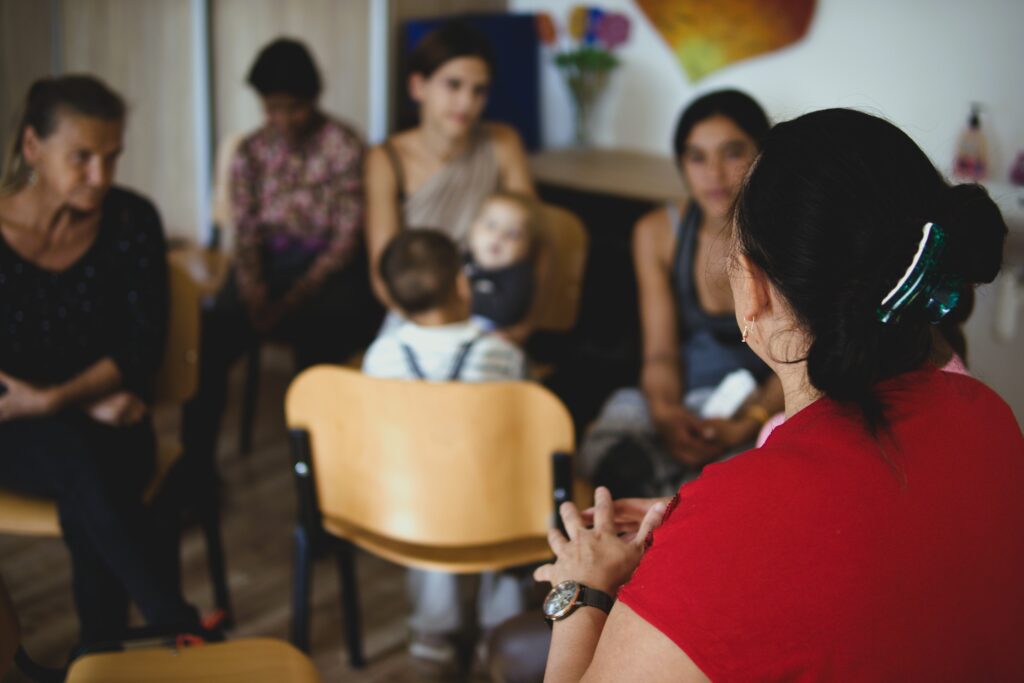
Talking about menstruation, gynaecological problems or the loss of a child in front of others can be difficult. When planning the festivals, we therefore made sure there was privacy and space for one-to-one conversations.
Women and girls could discuss their questions with a gynaecologist, talk about menstruation or share their experiences of caring for a baby. It became clear that, alongside expert information, what they needed most was time, attention and the opportunity to speak openly about their interests or concerns.
“I’m glad we managed to create a safe space for women in our community centre. Gynaecological advice naturally led to conversations about deeply personal matters,” explains Tereza Gálová, Head of Community Work at People in Peril.
We complemented conversations about women’s health with practical advice on pregnancy, childbirth and caring for mothers and newborns. In Kojatice, women learnt more about breastfeeding and watched demonstrations of how to hold and handle a baby safely.
In Roškovce, the Misia 1000 initiative also joined the programme with its “babice” – Roma women who support new mothers in caring for their babies. They accompany them on neonatal wards and also work with them in their communities.
We also address these topics through our ongoing work with women and girls. This work draws on our latest guide, Our Journey – A Guide to Group Work with Girls and Young Women in the Context of Intergenerational Poverty, written by Lucia Sivoková, Head of the Education Programme at People in Peril. Women and girls can therefore continue to find support and a space for further questions at our community centres after the festivals have ended.
Overcoming fear of health checks and white coats
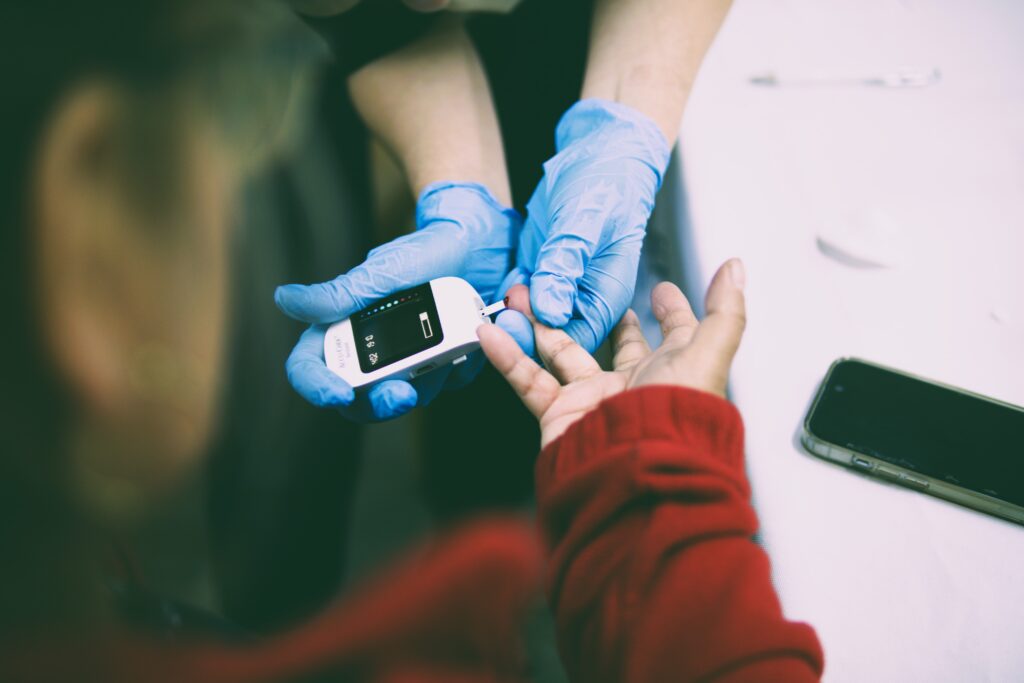
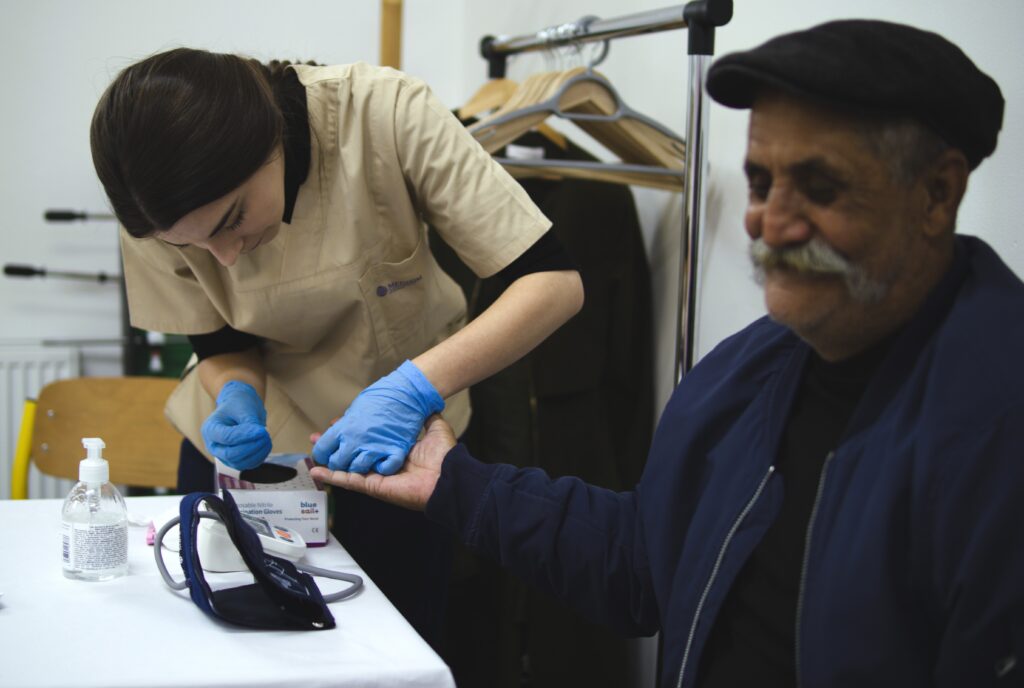
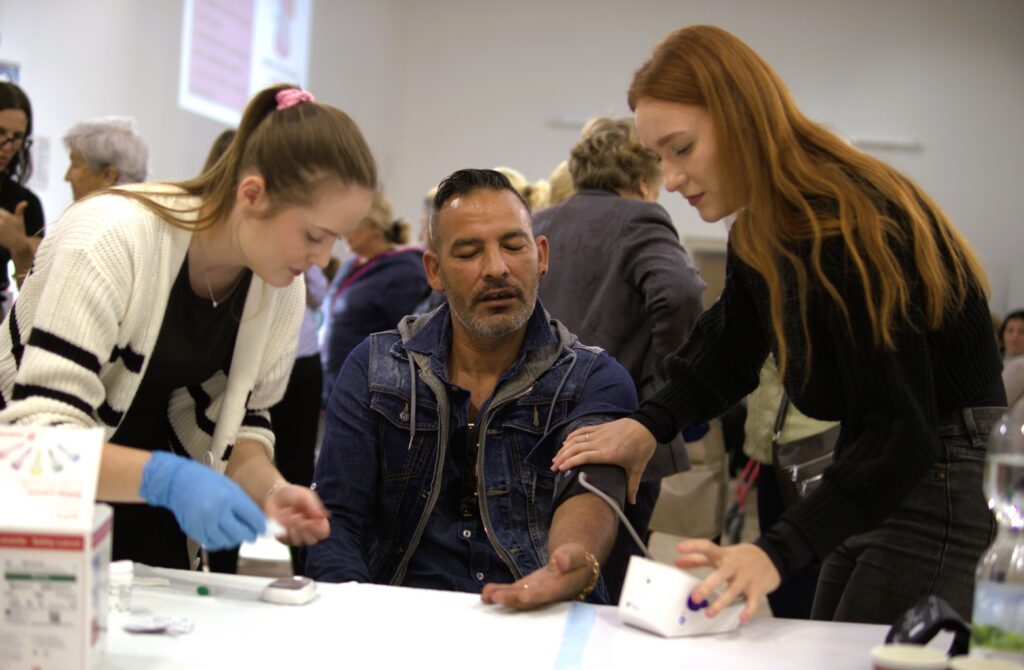
Visitors to the festivals could also have basic health checks. The Medisim team measured blood pressure and blood sugar levels and calculated body mass index (BMI). In Petrovany, the Faculty of Health Care at the University of Prešov also helped provide health checks and advice.
After the festivals, 93% of respondents said that healthcare professionals had explained their results clearly and that they understood their health status. Several people discovered they had high blood pressure or elevated blood sugar levels and said this had prompted them to visit their doctor.
“The feedback tells us that people were very interested in the health checks. Many were also afraid, but they went ahead anyway and overcame their fear,” says Tereza Gálová.
People’s concerns included the examination itself and the finger prick needed to measure blood sugar. Tereza became particularly aware of these fears during conversations in Kojatice.
One of our aims was therefore to help ease people’s fear of white coats. We were encouraged that 68% of respondents said they felt more confident about visiting a doctor after the festivals. However, our experience in Kojatice also shows that we need to keep working to build trust.

From first aid to healthy snacks
The programme also included practical first aid demonstrations. Visitors learnt how to respond in situations that require quick action. We also addressed mental health, with the team from IPčko discussing stress, anxiety and the support available during difficult times.
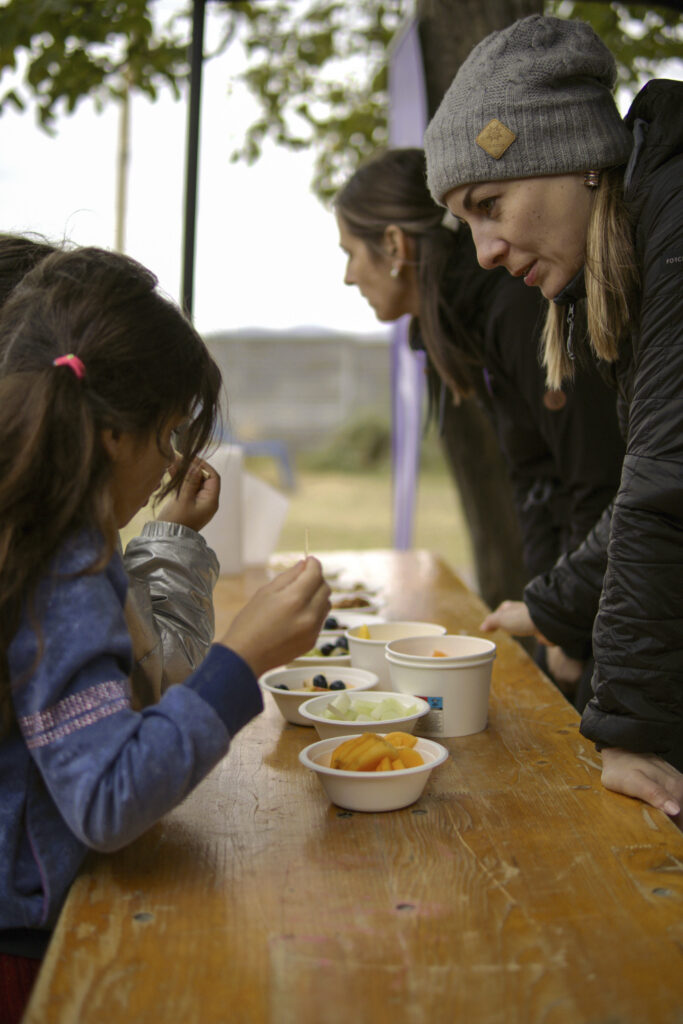
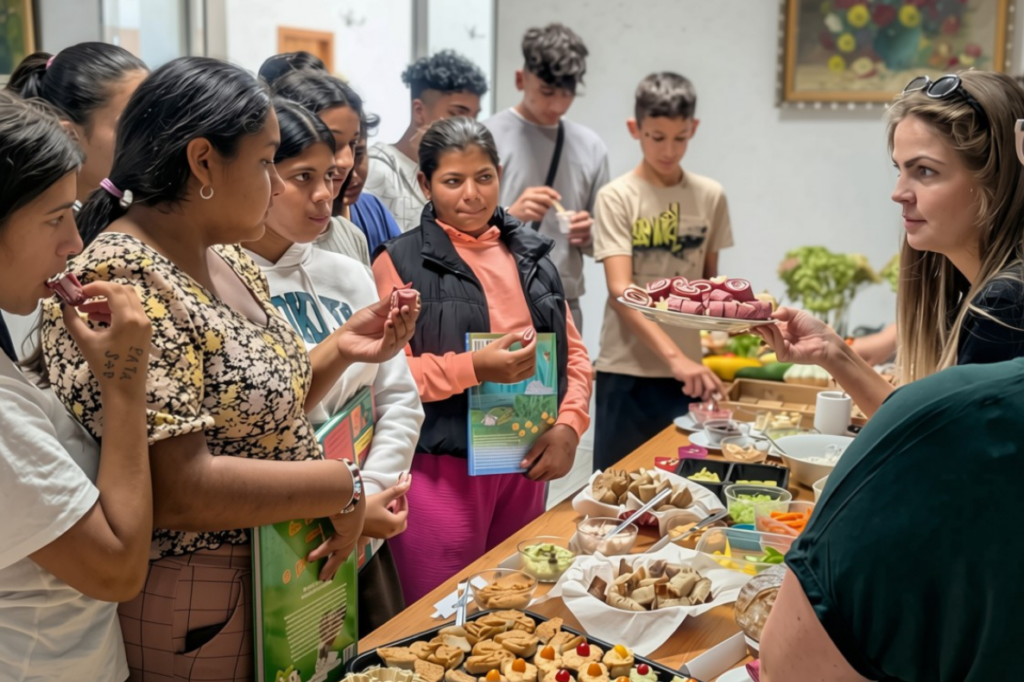
Our conversations about nutrition focused on preparing healthy snacks for children and choosing drinks to pack for school. Participants could taste some of the food and take home ideas for preparing it themselves. Children learnt about nutrition and proper handwashing through playful activities.
The professionals also valued people’s active involvement. Our partners from the Faculty of Health Care at the University of Prešov highlighted pupils’ interest in new information, discussions with adults and the sharing of recipes. For university students, the festivals were also an opportunity to gain experience in explaining health topics clearly and responding to people’s questions directly in their communities.

Conversations about health continue beyond the festivals
The feedback also showed us which topics people would like to explore further. Alongside women’s health, they were particularly interested in cardiovascular disease, physical activity and childcare. We respond to these needs through our ongoing work in community centres, where we help people navigate healthcare and access the support they need throughout the year.
The Health Festivals were organised in cooperation with Union Health Insurance.