How can we farm in a changing climate? Moldovan students sought inspiration in Slovakia
They came to Slovakia to learn about new approaches and share their own experiences. Six agricultural students from Moldova visited a farm, a school and research institutions. We wanted to offer them knowledge and inspiration to strengthen their motivation to contribute to more sustainable agriculture back home.
Learning and sharing their experiences
It was their first time travelling outside Moldova. Yet when it came to irrigation or soil management, they could draw on their own experience. During meetings with Slovak growers, teachers and researchers, they asked questions, took part in technical discussions and compared approaches with those they had learned at their schools.
“What impressed me most was how well they knew their fields, even though they are still secondary school students. This came through in discussions about sustainable approaches to agriculture and horticulture, such as using rainwater for irrigation or practising regenerative agriculture. These topics were familiar to them because they already had hands-on experience,” says Dominika Cáriková from People in Peril, who accompanied the group.
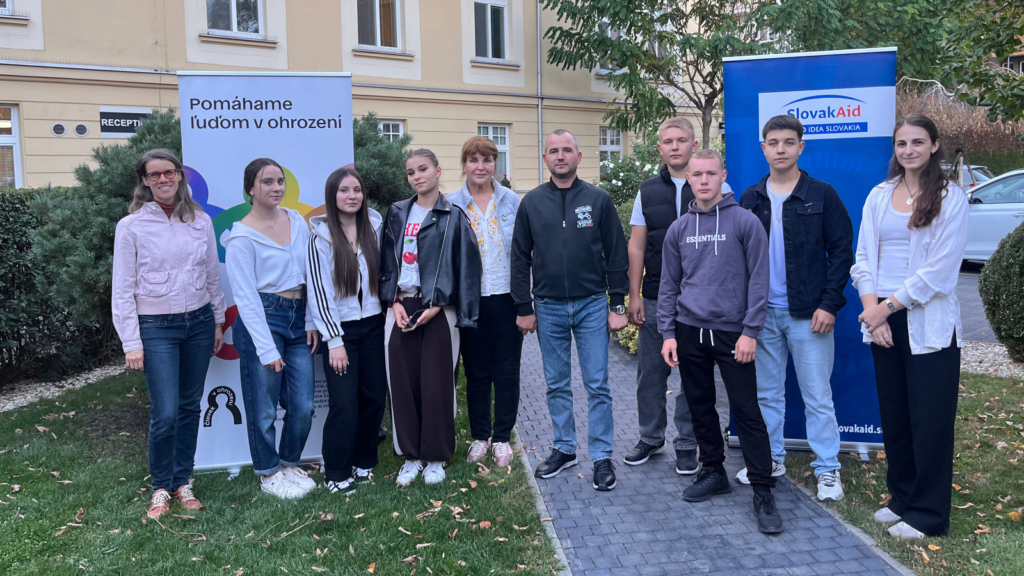
From 28 September to 2 October 2026, we hosted six students—three male and three female—from vocational secondary schools in Nisporeni and Svetlîi in Slovakia, accompanied by two of their teachers. We designed the five-day visit to introduce them to different aspects of agriculture and give them opportunities to speak directly with people who work in the sector, teach it or research new solutions.
Knowledge they can put into practice back home
The study visit was part of the GREEN project, through which we work with partners to help Moldovan berry growers better cope with the impacts of the climate crisis. We support practices that conserve water, improve soil health and protect harvests. We also wrote about this work in our article When the weather determines the harvest.
Educating future farmers is an important part of this collaboration. The visit aimed to help students broaden their knowledge, develop practical skills and consider which approaches they could apply in Moldova.
What looks familiar, and what do you do differently?
At Pod Bánošom Vocational Secondary School in Banská Bystrica, the group toured the horticultural areas and animal husbandry facilities. The students saw a greenhouse, demonstration plots, fruit trees and shrubs, irrigated slopes and a living wall. An unmown area left for pollinators also caught their attention. In the honey processing room, they tasted honey straight from the barrel and were introduced to falconry.
When comparing their schools, they found much in common: similar fields of study and an emphasis on practical learning. The main difference was the space available. The Moldovan schools manage much larger areas of land, where the scale of practical teaching comes close to that of a working farm. The Slovak school, meanwhile, uses a smaller area to demonstrate a wide variety of crops and growing techniques.
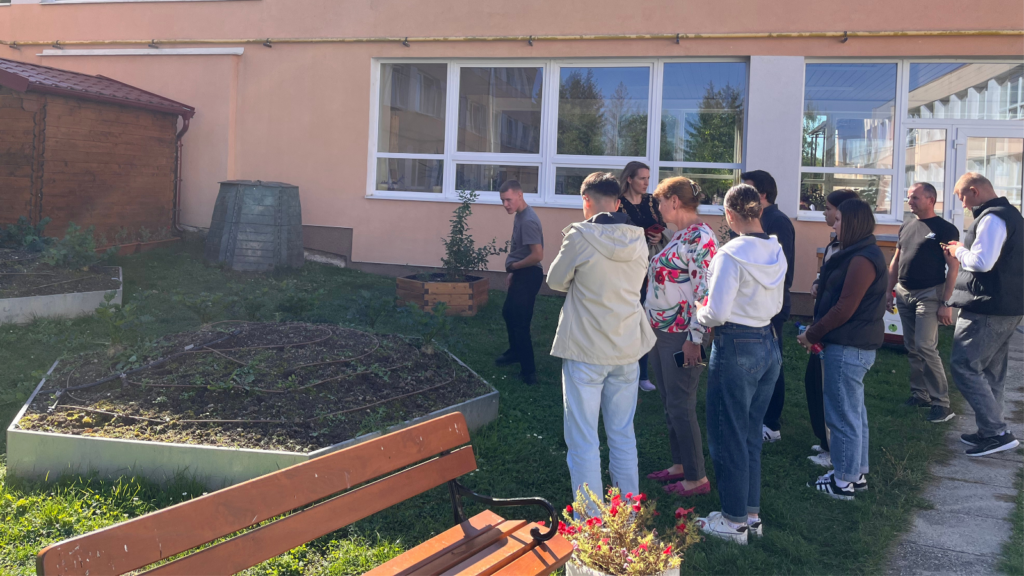
They also spoke with one of the teachers, Ms Oravcová, about her research on irrigated slopes and its relevance to farming in a changing climate. They discussed farming practices in both countries, career opportunities for graduates and more personal topics, such as which subjects they enjoyed most.
The exchange of experiences continued at the Ekopolis Foundation. The discussion focused on regenerative agriculture, particularly no-till farming, which involves growing crops without ploughing. The students were already familiar with this approach, and some had first-hand experience of it. The discussion therefore also explored how such practices are applied in the dry regions of Moldova.
“This made it all the more valuable for them to discuss how these methods are applied with Slovak experts and compare how similar approaches work in practice in both countries,” Dominika explains.
From growing food to selling it and living on a farm
Agriculture also involves the question of who the food reaches. At the Banská Bystrica Regional Authority, the group learned about the Výzva Farmár initiative, which connects local growers and producers with schools and social care facilities through an online marketplace. The programme also included examples of social enterprise and support for employing people from disadvantaged backgrounds.
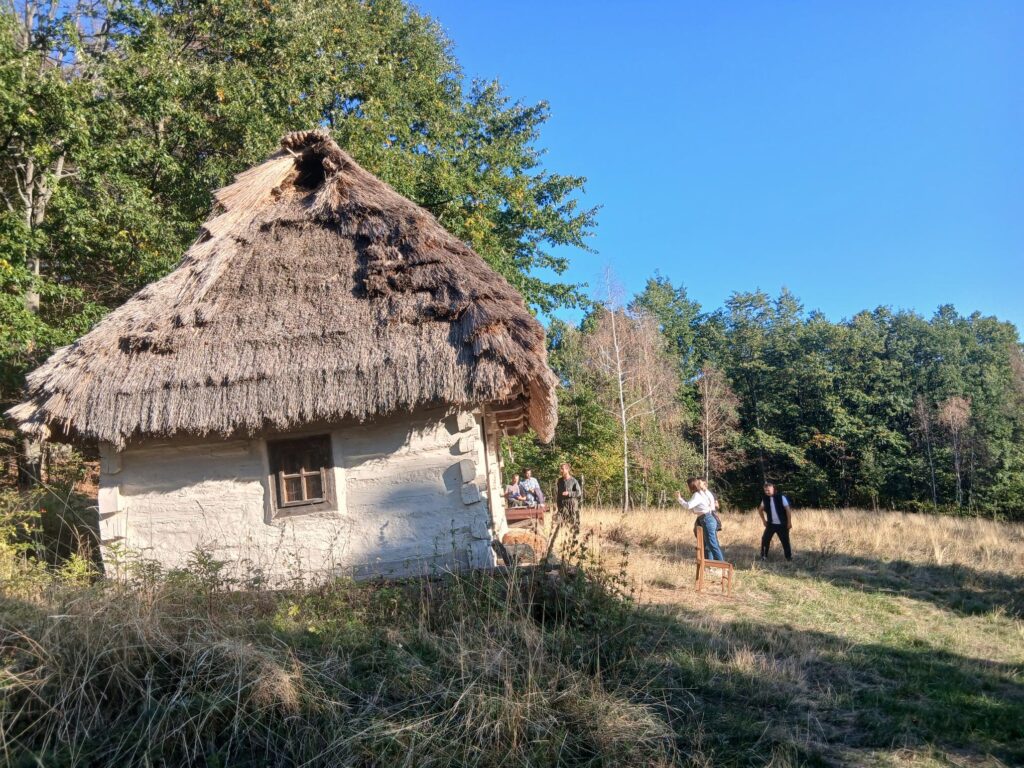
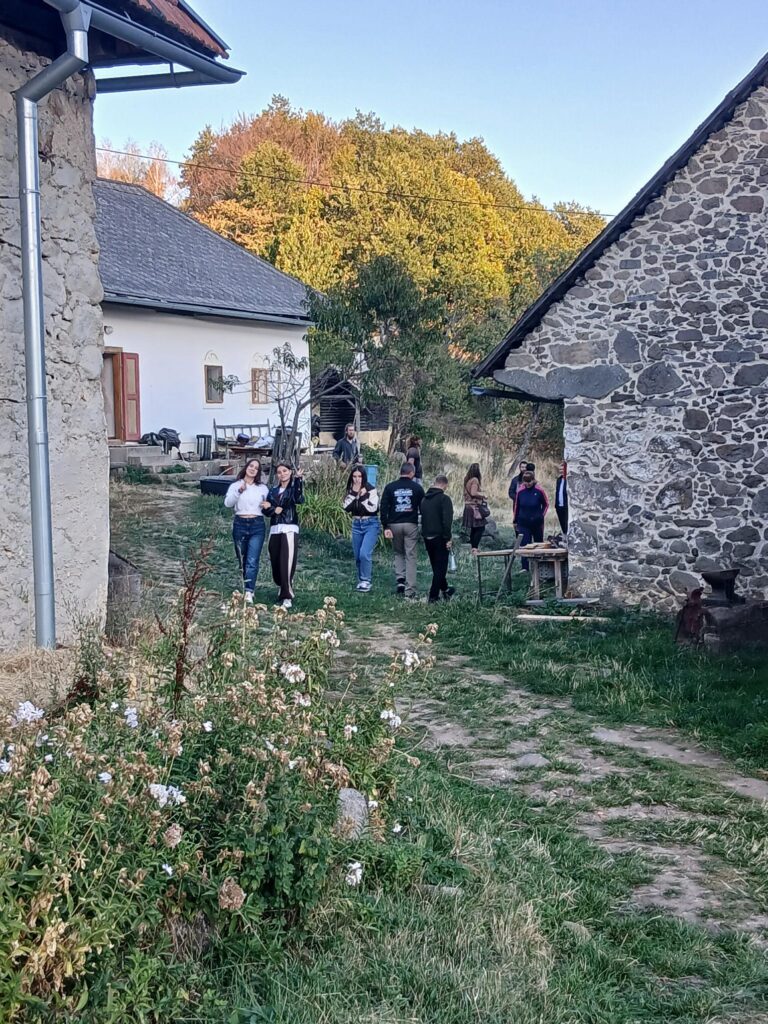
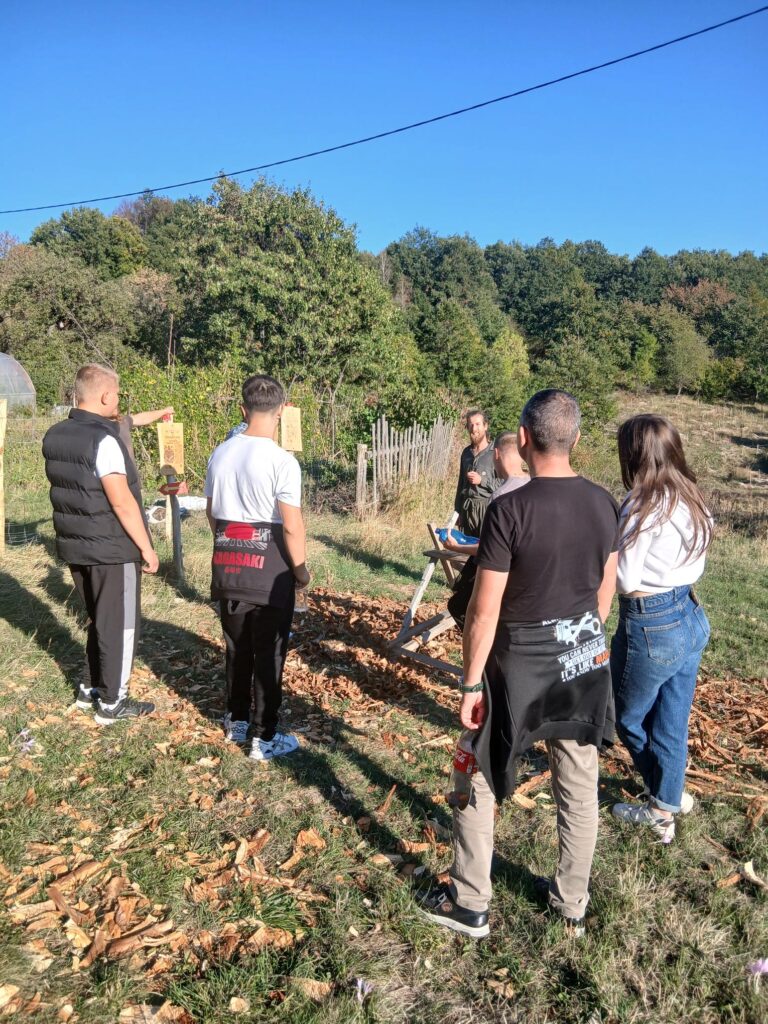
An afternoon in Záježová offered an insight into community farming. At Sekier farm, they learned more about permaculture, food forests and managing a small farm. They also explored buildings made from straw, wood and hempcrete. Here, they met volunteers from several countries who help run the farm and take part in environmental conservation activities.
From blueberry fields to laboratory research
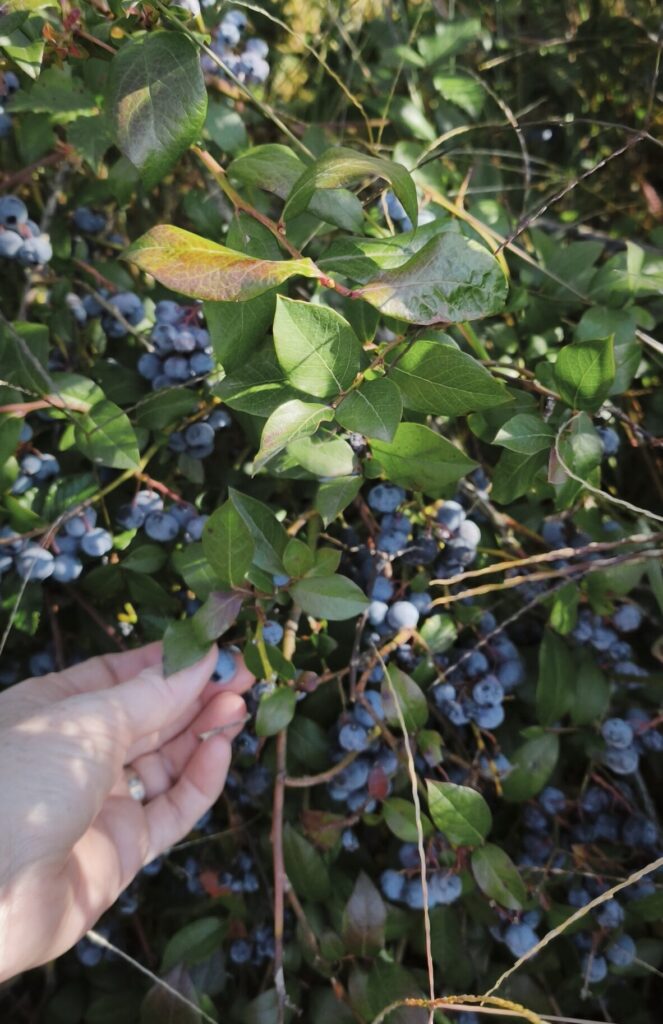
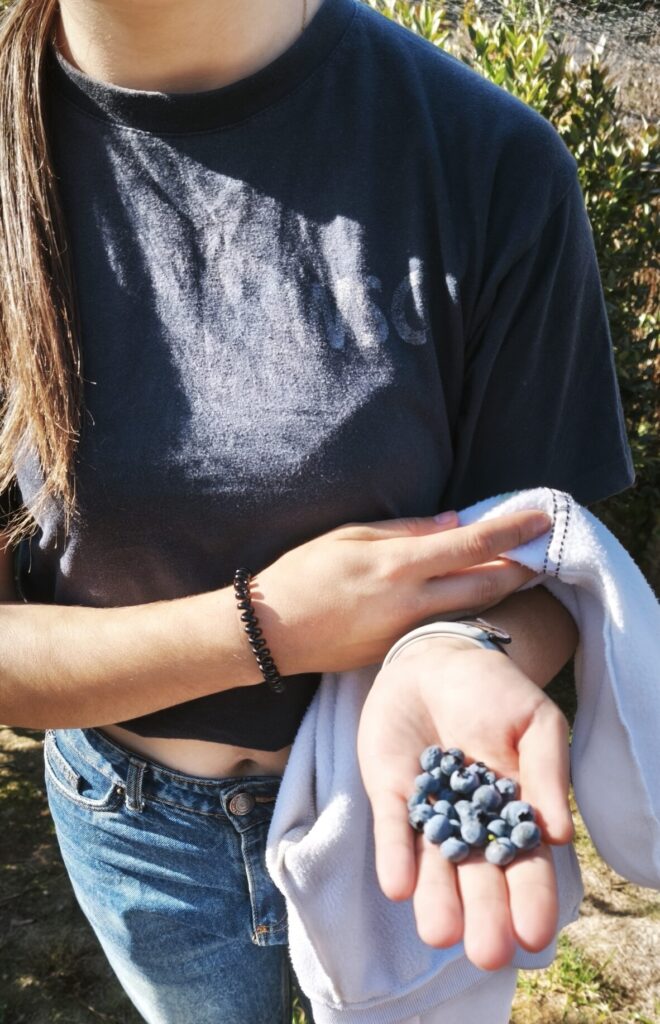
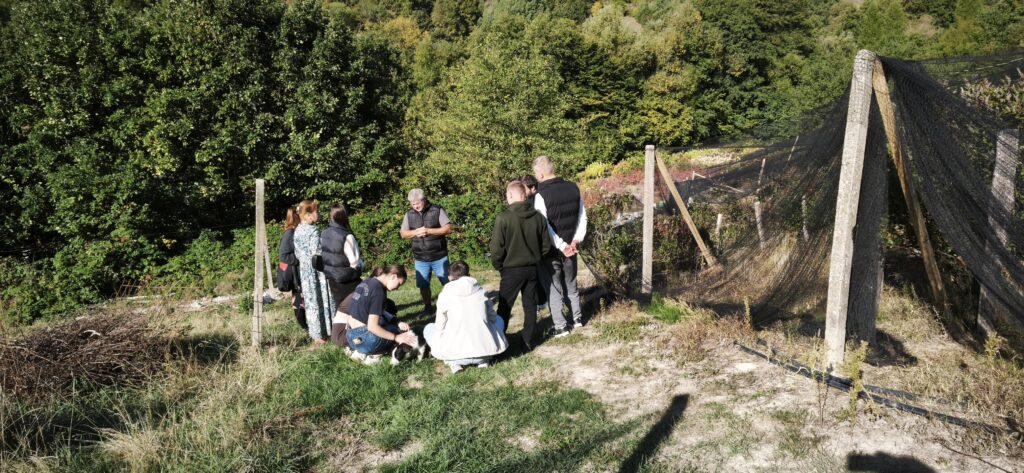
At Ekoprogram farm in Nová Baňa, the owner introduced the students to blueberry production, from caring for the bushes, irrigation and organic crop protection to selling the fruit. This gave them an opportunity to discuss the practical decisions involved in running a specialised farm.
They also learned how birds can help protect crops. As the owner farms organically, without pesticides or other synthetic chemicals, he sought a natural way to control pests. When he covered the blueberries with netting, birds could no longer reach the moth caterpillars, which destroyed his crop. He therefore planted part of the farm with early blueberry varieties to provide food for birds and encourage them to stay nearby. The birds also pick caterpillars off the later varieties while their berries are still unripe. Since they do not like the green fruit, they eat only the pests. The owner then protects the later varieties with netting, which he can remove if the caterpillars return, allowing the birds to reach them. This approach also appealed to student Vadim Tatar.
“What interested me most was that the farm owner doesn’t kill the birds but looks for ways to live in harmony with them. The birds help him protect his berry crops from pests. I liked that he looks for another solution instead of harming them.”
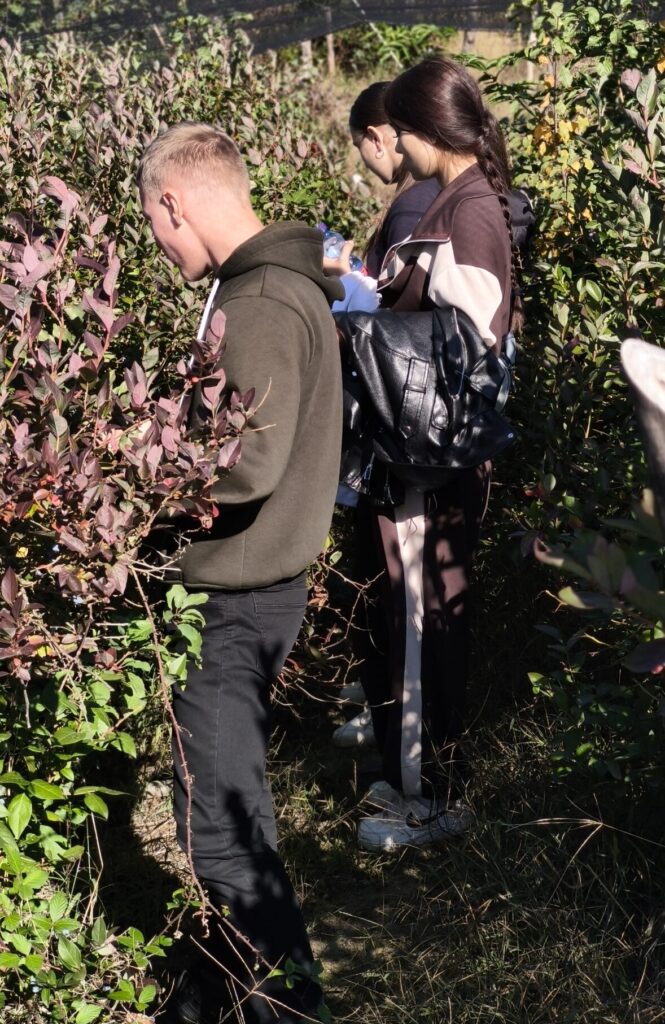
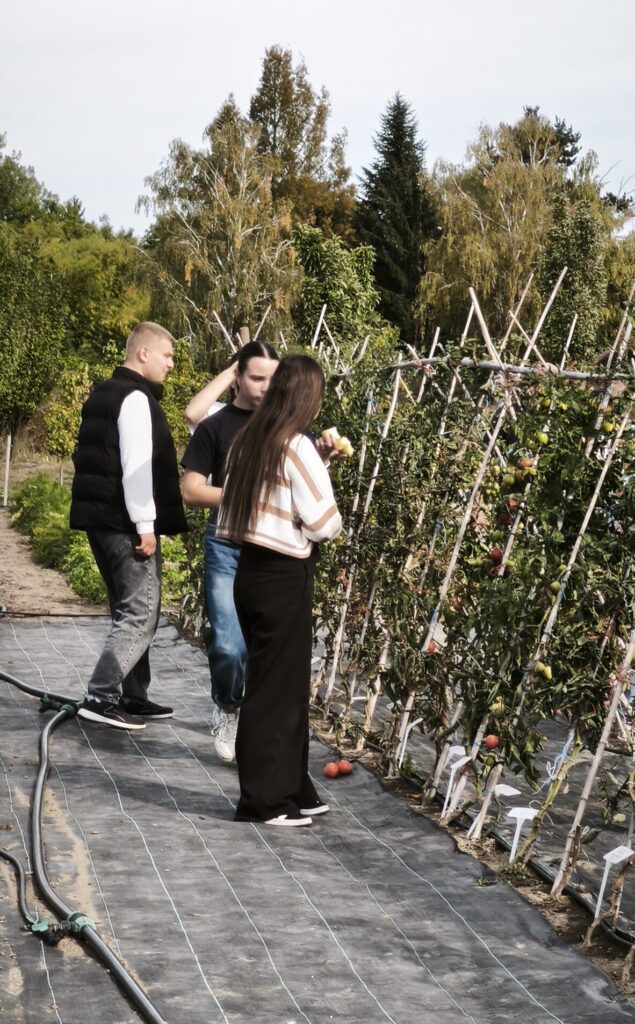
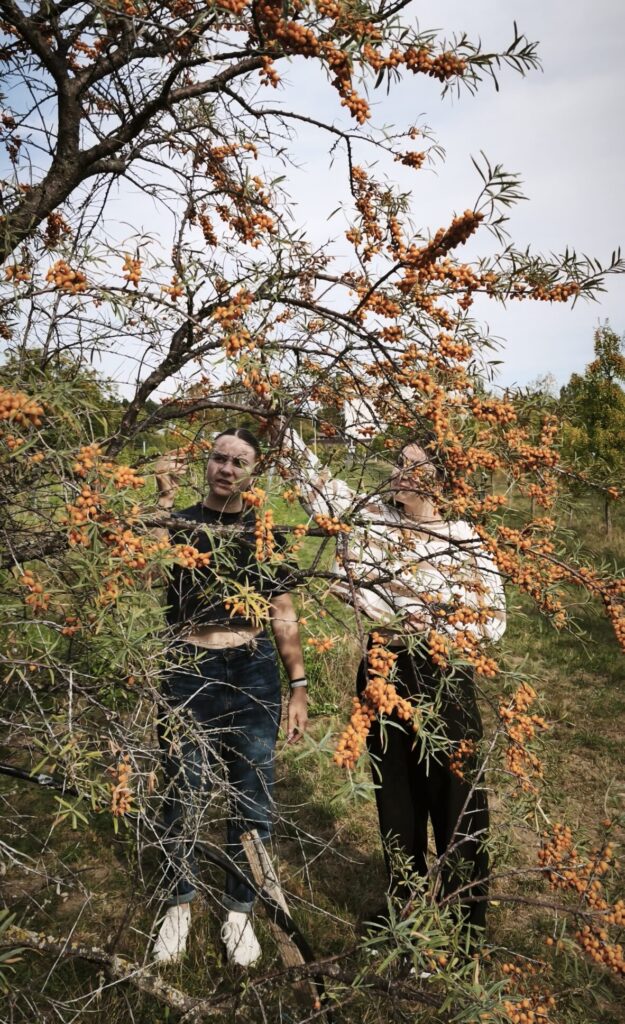
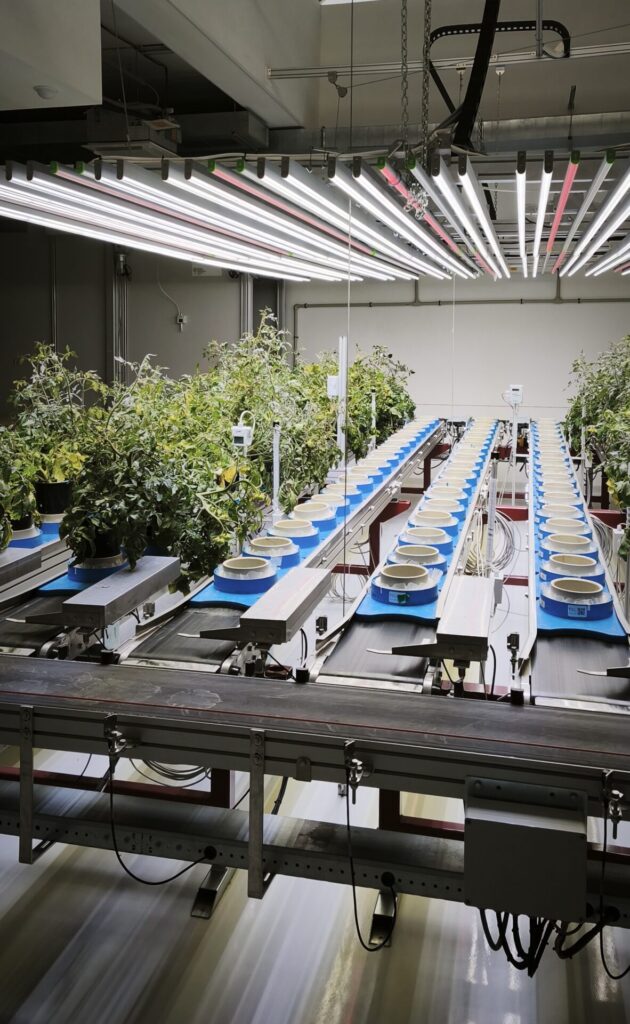
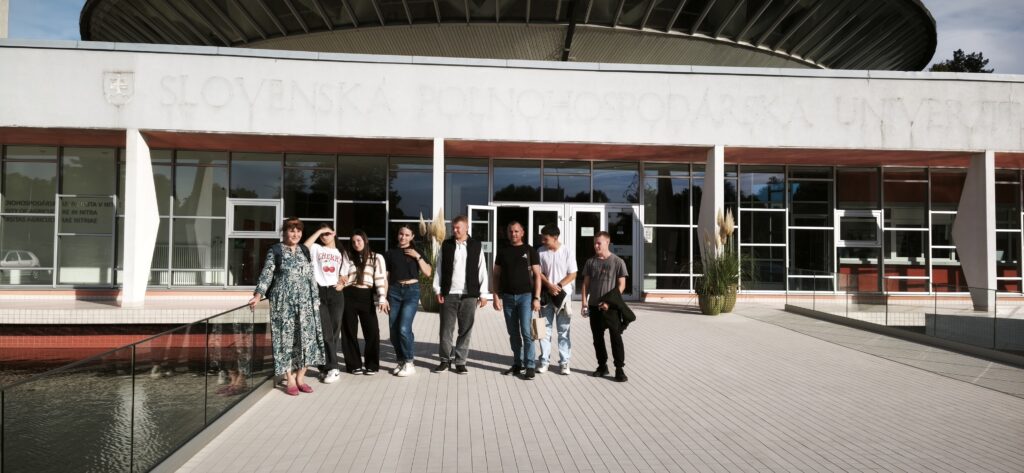
From the blueberry farm, they continued to the Slovak University of Agriculture in Nitra. Experts from the Institute of Horticulture introduced them to research on cultivation techniques, plant responses to climate change and approaches to more environmentally friendly production. In the university’s orchards, they saw cultivation practices first-hand and tasted ripening fruit.
They then walked through the botanical garden to the university’s AgroBioTech Research Centre. Here, they learned about laboratory analyses, the assessment of raw material properties and food product development. This helped them better understand how research contributes to improving food quality and finding more sustainable solutions for agriculture. They also discovered further career paths they could pursue after completing their studies.
“The students’ natural interest in the topics they had come to explore was clear to see. I strongly support linking education with practice, so it was a pleasure to see their sincere curiosity,” says Veronika Venglořová, People in Peril’s regional coordinator for the Žilina Region, who accompanied the group.
No regrets about her choice
During the visit, we also talked about why these young people in Moldova had chosen to study agriculture. Student Sofia Podgornaia told us that she had initially been unsure whether she would enjoy the relatively new course at her school.
“I thought I wouldn’t like the course and might reconsider my choice. But I have no regrets,” she said after the visit, adding that she would recommend it to others.
At the final meeting in Bratislava, participants praised the variety of the programme, the knowledge they had gained and the opportunity to compare studying in the two countries. We hope that visiting farms and research institutions will strengthen their motivation to continue their studies and seek environmentally friendly solutions they can apply back home. This generation’s experiences and decisions will also help shape how Moldova farms in a changing climate.
We implement the GREEN project in collaboration with partners, with support from SlovakAid.