From Good Ingredients to Greater Educational Opportunities
At a time when many parents and their children are celebrating the news of being accepted to their dream secondary school, there are also those among us for whom the transition from primary school is far more challenging. Sometimes the deciding factors are a long commute, difficulties fitting into a new peer group, or pressure from those around them to replace education with work and contribute to the family budget. Yet often, it takes only a little support—a parent’s encouragement, understanding from the school, and someone to guide and support them along the way. The KOMPOD project was created precisely for these children.
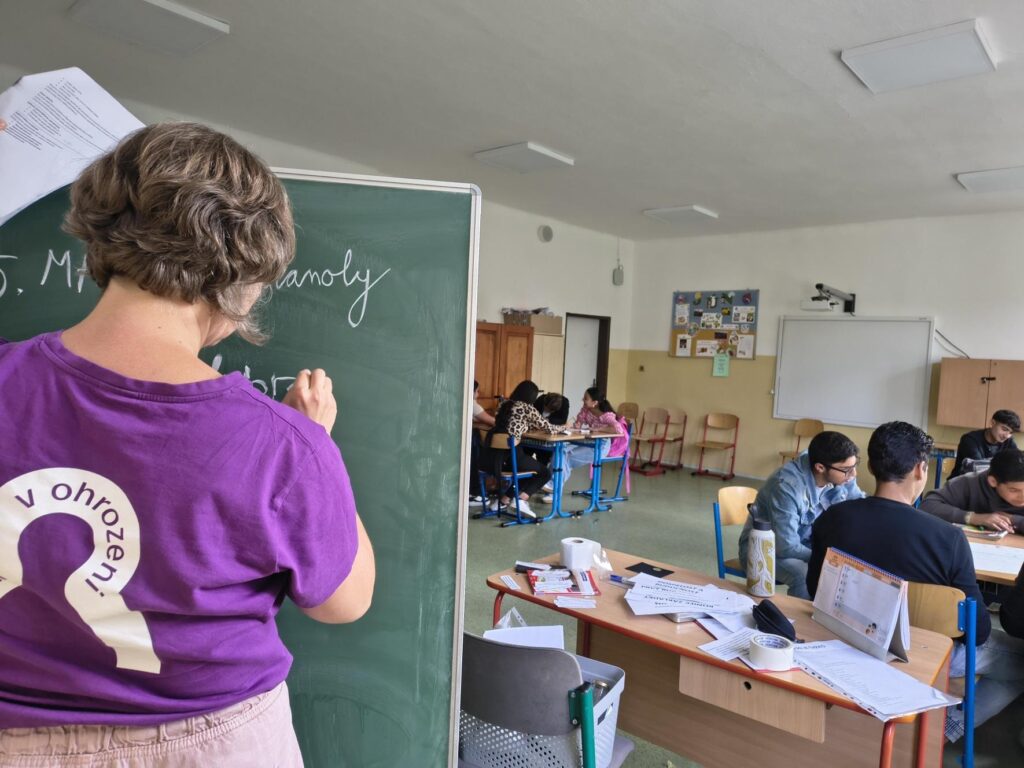
The project Comprehensive Support for Inclusion and Equal Opportunities for Children and Youth from Marginalised Roma Communities—abbreviated as KOMPOD—can be compared to a good compote. It is made up of many different ingredients that, only when combined, create something truly valuable. Parents, schools, experts, employers, and, most importantly, the children themselves come together to create new opportunities, support successful educational journeys, and build brighter futures for young people—the desired fruit of their collective efforts.
KOMPOD helps young people:
- choose a suitable secondary school,
- navigate the challenging transition from primary to secondary education,
- adapt to a new environment,
- remain engaged in secondary education,
- successfully complete their studies or obtain a vocational certificate.
At the same time, the project creates a safe and supportive environment where children gain the information, experience, and guidance they need to make informed decisions about their education and future direction. An integral part of the project is building a network of support around students by connecting parents, schools, professionals, employers, and the wider community. The goal is to ensure that children and young people have access to people, resources, and opportunities that help them make important life decisions, overcome obstacles, and successfully face challenges related to education, career orientation, and the transition to adulthood.
“We act as a kind of mediator between the school, the parents, and the student. This relationship is crucial for us. If one of these parties is not functioning well, the entire system can begin to fall apart. It is often the quality of relationships, communication, and cooperation among the people surrounding a student that determines whether they feel accepted, supported, and able to overcome the challenges associated with education,” explains Lucia Sivoková, Social Innovation Expert at People in Peril.


At the Heart of Success: Family Support
One of the key components of supporting children is working closely with parents and addressing any lack of engagement they may have with their children’s education. We help families find solutions to the financial costs associated with studying, explain the value of education, and provide guidance on practical matters such as using the EduPage platform. We also encourage parents to motivate and support their children throughout their educational journey.
In some locations, we plan to complement individual counselling with group workshops and meetings for parents. These sessions will provide a space for sharing experiences, discussing concerns, asking questions, and exploring common topics related to their children’s education.
A Healthy School Climate Is Essential
A significant part of our work also involves close cooperation with schools, career counsellors, and student support teams. We know that the first year of secondary school is often the most challenging for many young people. A new town, a new environment, new classmates, and often their first experience in mixed classrooms represent a major life transition. For children growing up in conditions of intergenerational poverty, this period is frequently accompanied by heightened uncertainty and anxiety about the unknown. These feelings can affect their sense of safety, belonging, and confidence that they truly have a place in their new environment.
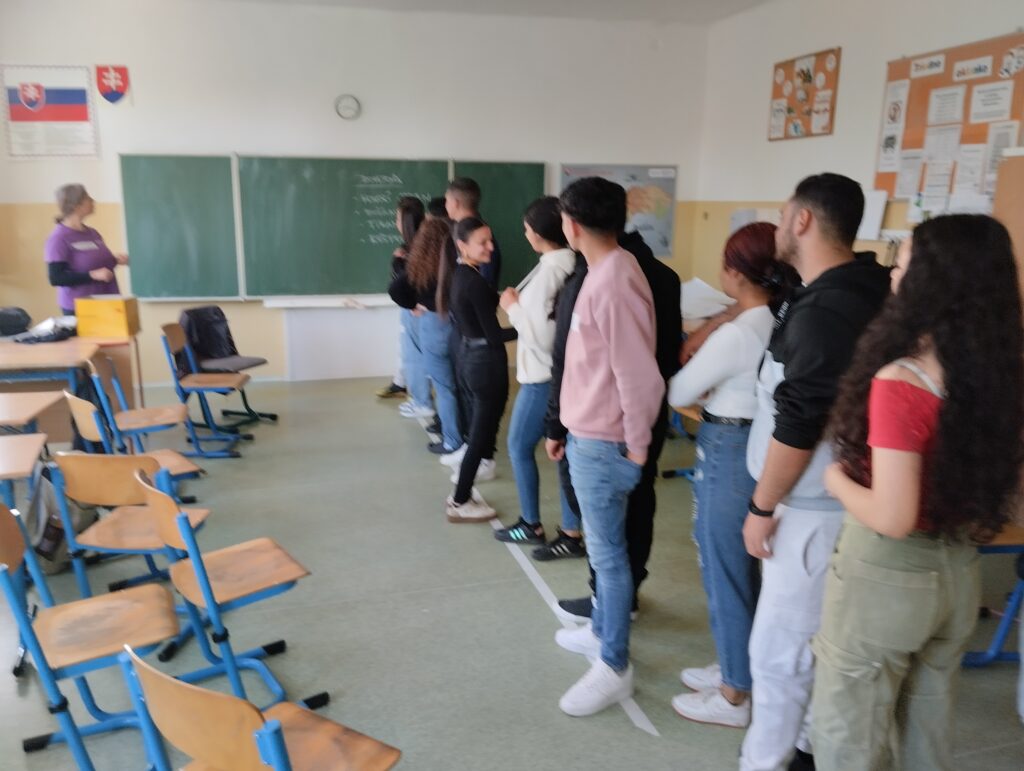
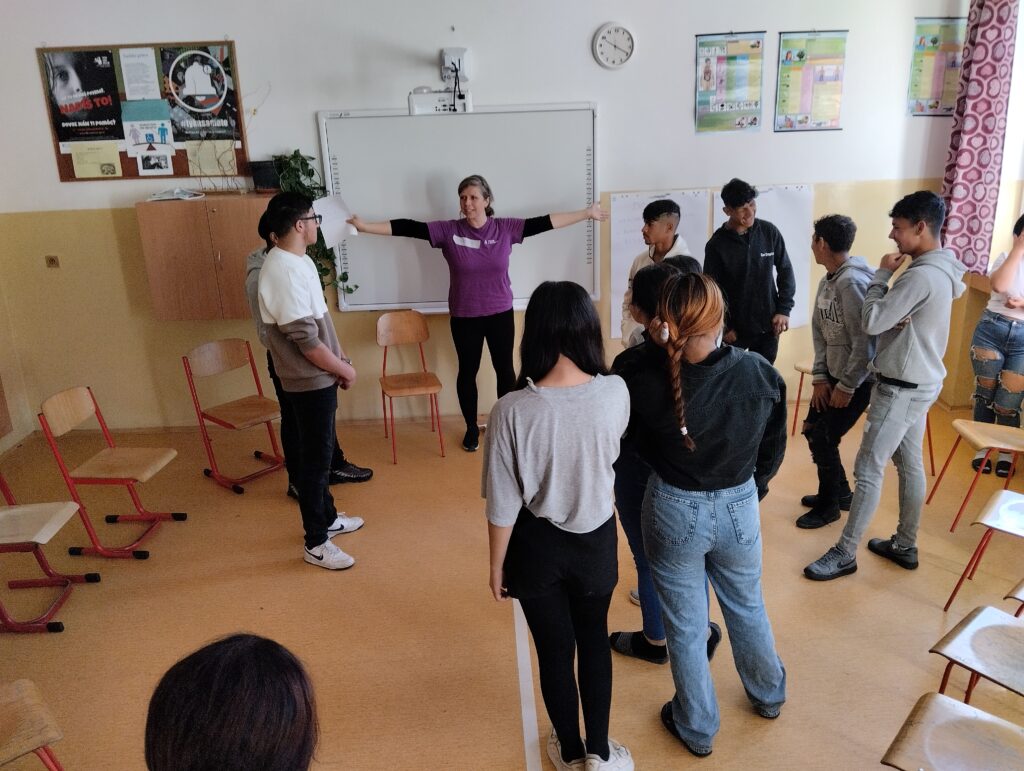
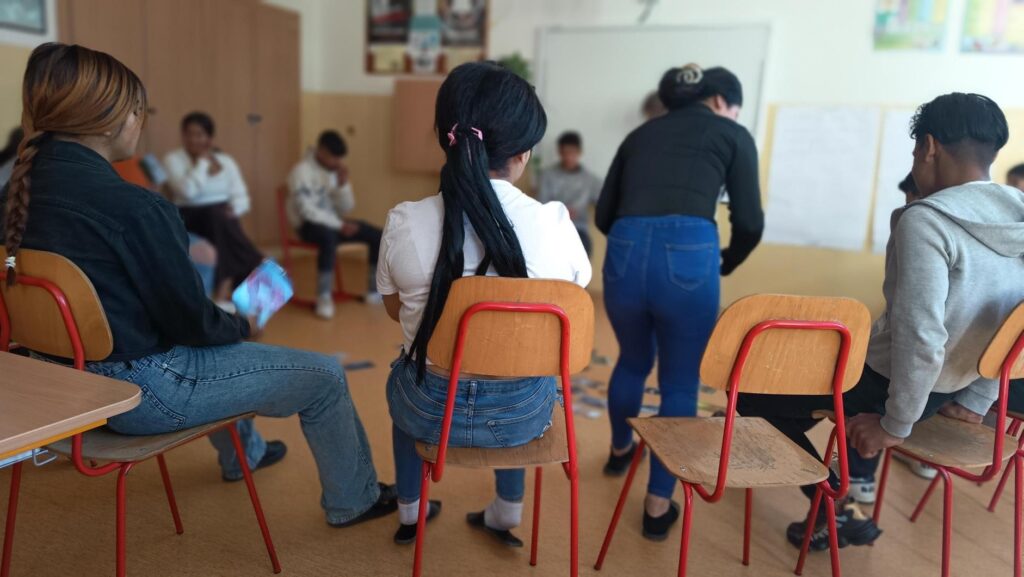
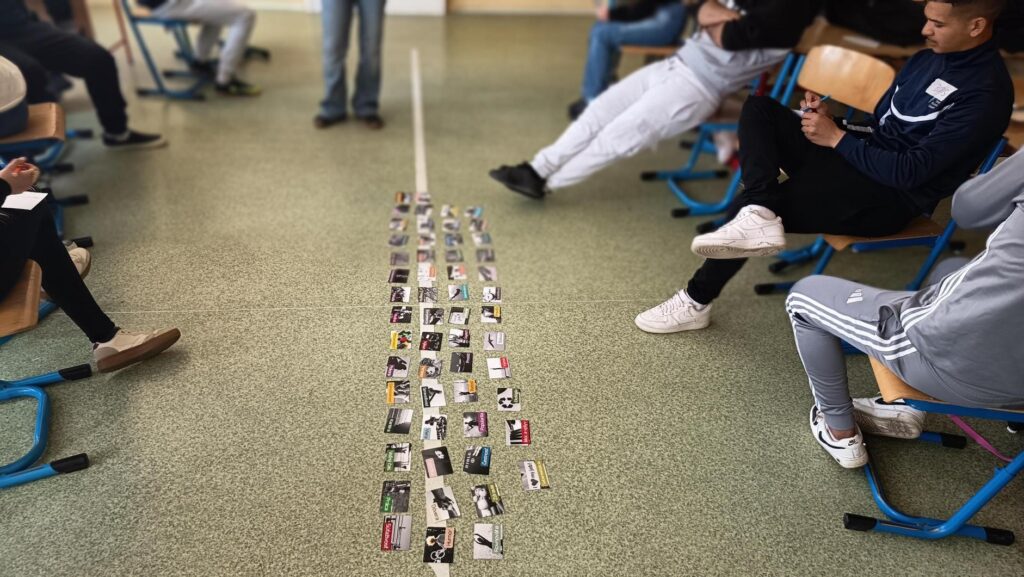
This is why we place a strong emphasis on fostering a positive classroom climate and building healthy relationships among students. We organise experiential activities in schools that focus on creating safe and inclusive environments, strengthening peer connections, and promoting a sense of belonging. We also address topics such as coping with change, managing challenging situations, building resilience, and developing the skills needed to adapt to new environments.
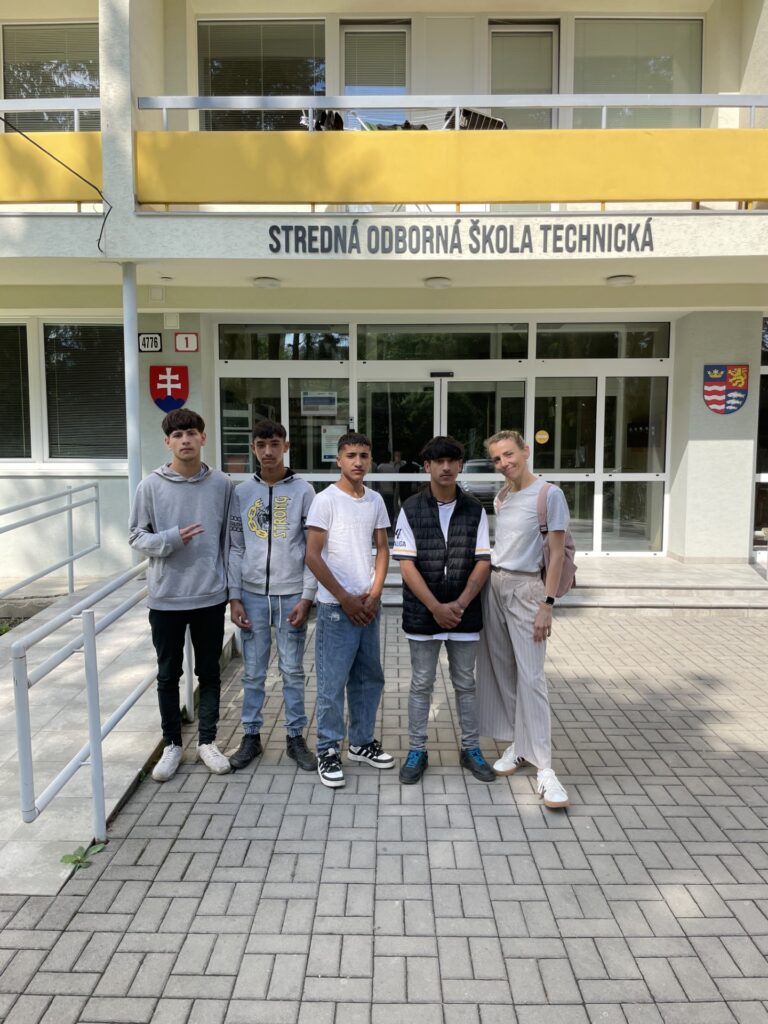
Accompanying children even before they start secondary school is also an important part of our work. We visit schools together, show them the route, explain how their daily commute will work, and help them understand what to expect once they begin their studies. In September, we often continue supporting them during their first days at school—whether that means travelling with them by bus from their village to a larger town or being there to support them as they start school and settle into their new environment.
“For more than ten years, we have been supporting students through mentoring and scholarship programmes. Thanks to this new project, however, we finally have greater opportunities to develop this work in a more systematic way and to support children in the areas that often determine whether they stay in school and successfully complete their education. A major source of motivation for us is the fact that this year, as part of our existing support programmes, as many as 11 students are graduating with vocational qualifications, which is a significant achievement,” explains Lucia Sivoková.
While in previous years it was usually possible to support only two or three students annually to successfully complete secondary education, this year students from both three-year and four-year programmes graduated, including those in programmes leading to a school-leaving examination (maturita) as well as post-secondary extension studies. For many of these young people, this achievement represents a significant milestone not only in their personal lives but also within their communities, where they may be among the first—or even the only—individuals to attain a full secondary education.
From Education to Employment
Cooperation with schools and employers is an important part of supporting young people throughout their educational and career journeys. In study programmes that include practical training or dual education, we help connect schools with potential employers and foster partnerships that contribute to higher-quality learning opportunities, hands-on experience, and skills development for students. Our goal is to ensure that young people are surrounded by a strong and supportive network not only within the school environment but also in the workplaces where they gain their first professional experience and prepare for their future careers.
This project is co-funded by the European Union through the Slovakia Programme. It is being implemented from 1 February 2026 to 31 January 2028 in the localities of Prešov, Kojatice, Petrovany, Sveržov, Roškovce, Spišská Nová Ves, Zvolen, Lučenec, and Plavecký Štvrtok.