Twelve days without shelters or air raid sirens. Together with the City of Žilina, we offered families from Dnipro a safe space to relax, unwind, and create new memories.
Eight mothers, sixteen children, and a psychologist from the Ukrainian city of Dnipro spent twelve days in Žilina. The stay, organized by People in Peril in cooperation with the City of Žilina, was designed for families whose fathers were killed defending Ukraine. Its aim was to provide a safe space where they could rest, enjoy new experiences, and spend quality time together – a chance to simply be mothers and children again.

Twelve Days of Summer Holidays in Slovakia
Before arriving in Slovakia, the mothers and children had simple wishes. They wanted to discover a new country, see the mountains, visit castles, go on trips, and swim in a pool. One of the participants said she was looking forward to exploring Slovakia.
“I’ve never been here before. I want to see your mountains, discover your country, and meet the local people. We don’t have mountains where I live.”
For another mother, the focus was on her children.
“I want my children to be happy. I want them to forget, at least for a little while, about the explosions and everything the war has brought into our lives.”
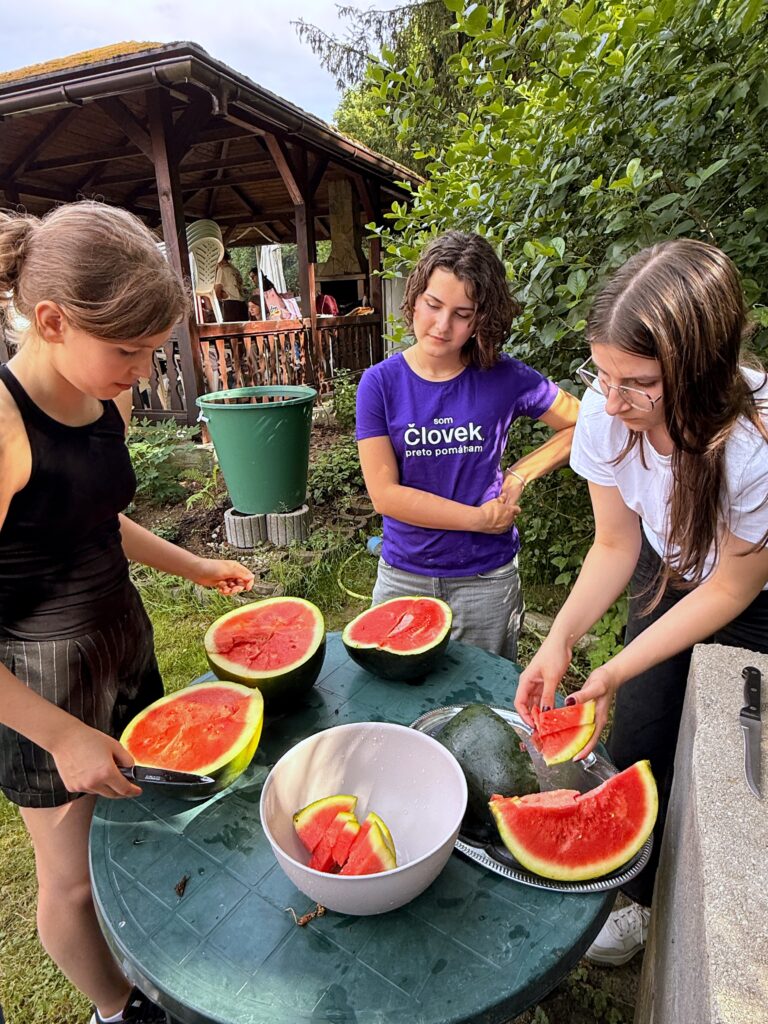
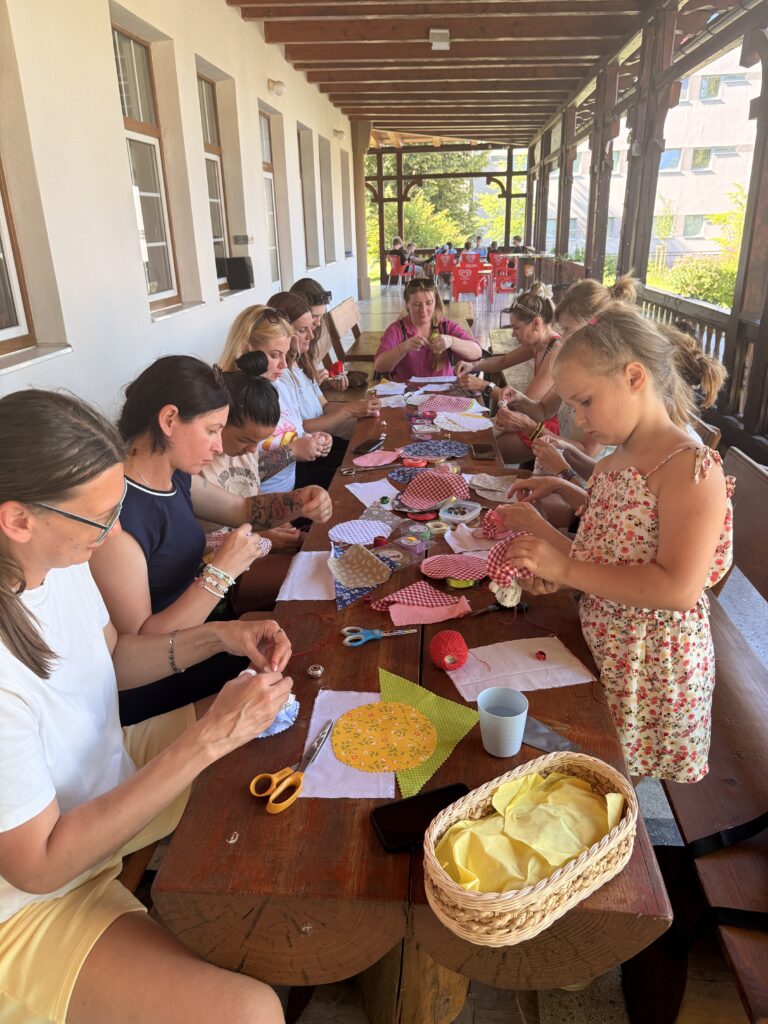
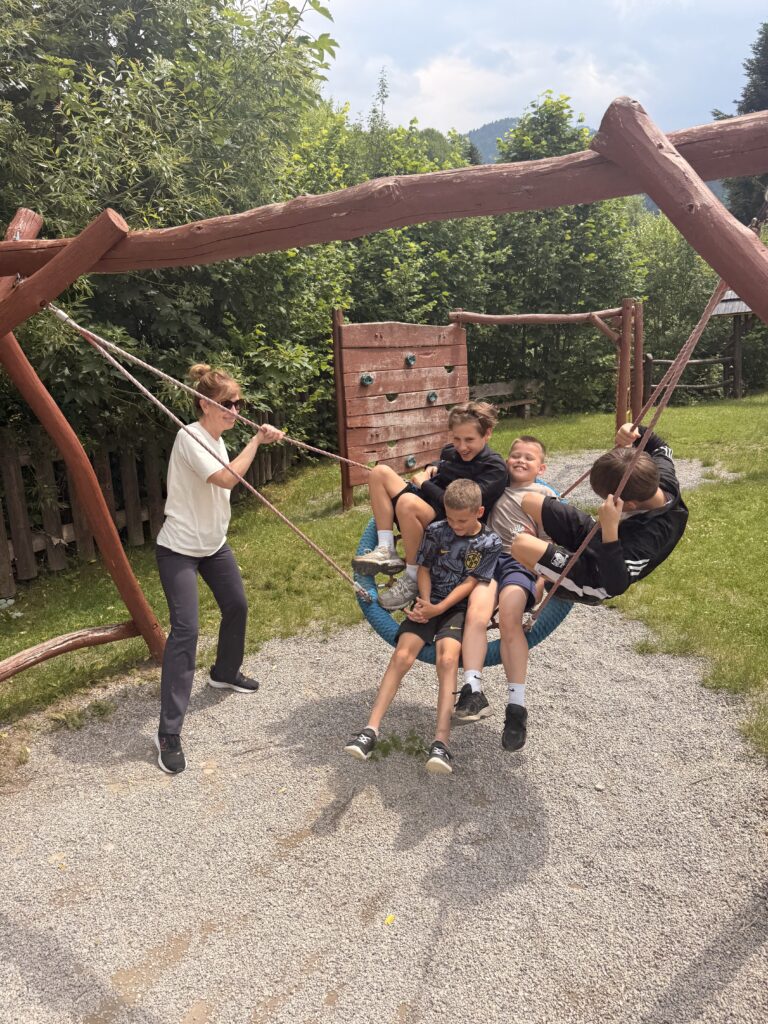
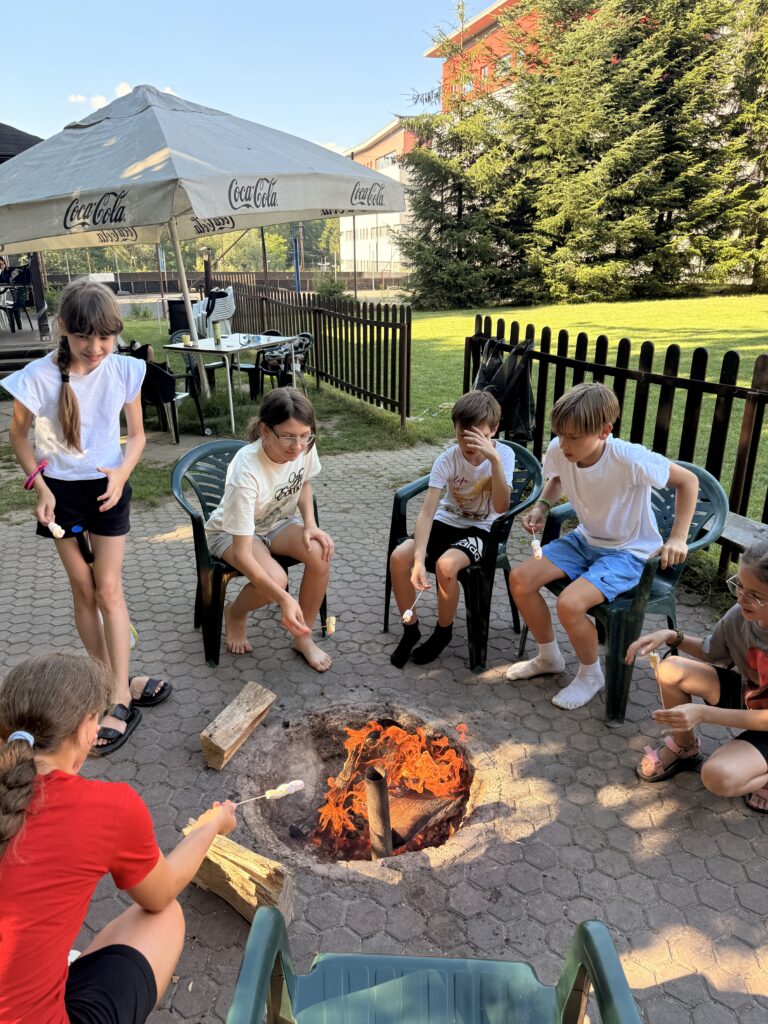
The programme was built around creating shared experiences. Throughout their stay, the families explored Žilina and its surroundings, took part in sports and creative activities, went on excursions, enjoyed a barbecue, and joined a variety of workshops. Swimming during the hot summer days was a particular highlight, as were pottery workshops where they made their own mugs, crafting traditional Ukrainian motanka dolls, and woodburning. Each family returned home with handmade keepsakes to remember the time they had spent together in Žilina.


Mothers Need Support, Too
An important part of the camp was not only the programme for the children, but also the support provided to their mothers. Humanitarian assistance often focuses primarily on children. Yet when mothers are given the opportunity to rest, recover, and regain their strength, the positive impact extends to the whole family. As our colleague Nina Gubišová, who led the camp, put it: “When a mother is doing well, her child is doing well too.”
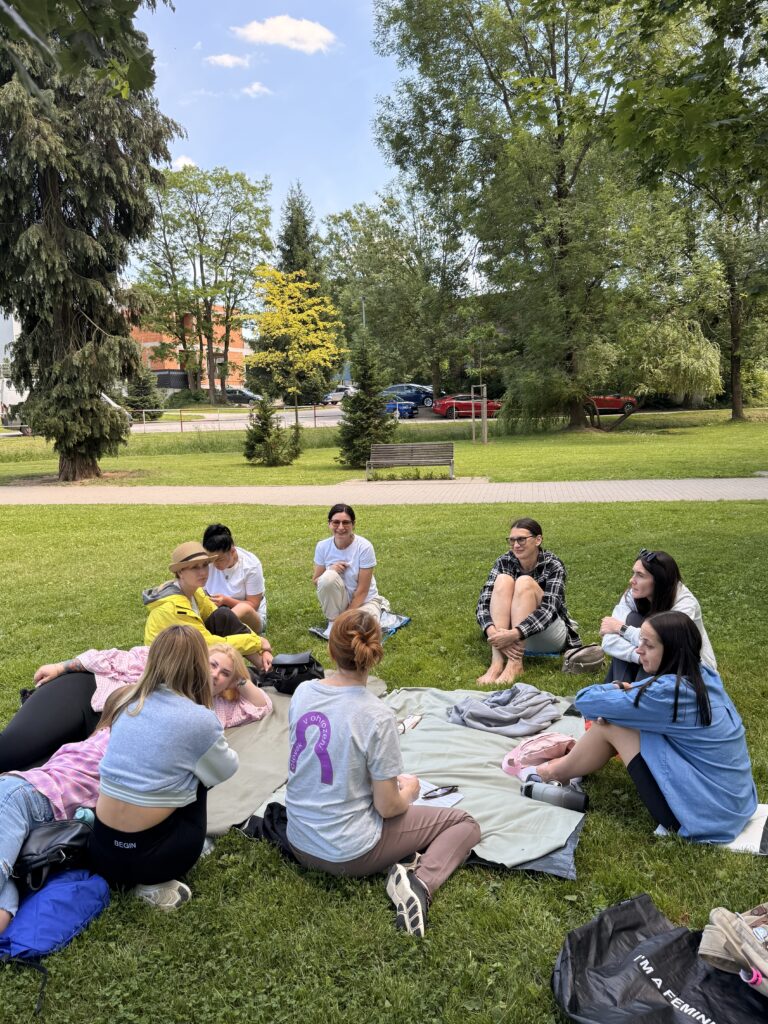
The evenings were dedicated to group conversations led by a psychologist from Dnipro. These were not therapy sessions, but rather a safe space where the women could share experiences, talk about what helps them cope with everyday life during the war, exchange ways of managing stress, and reflect on where they find the strength to carry on.
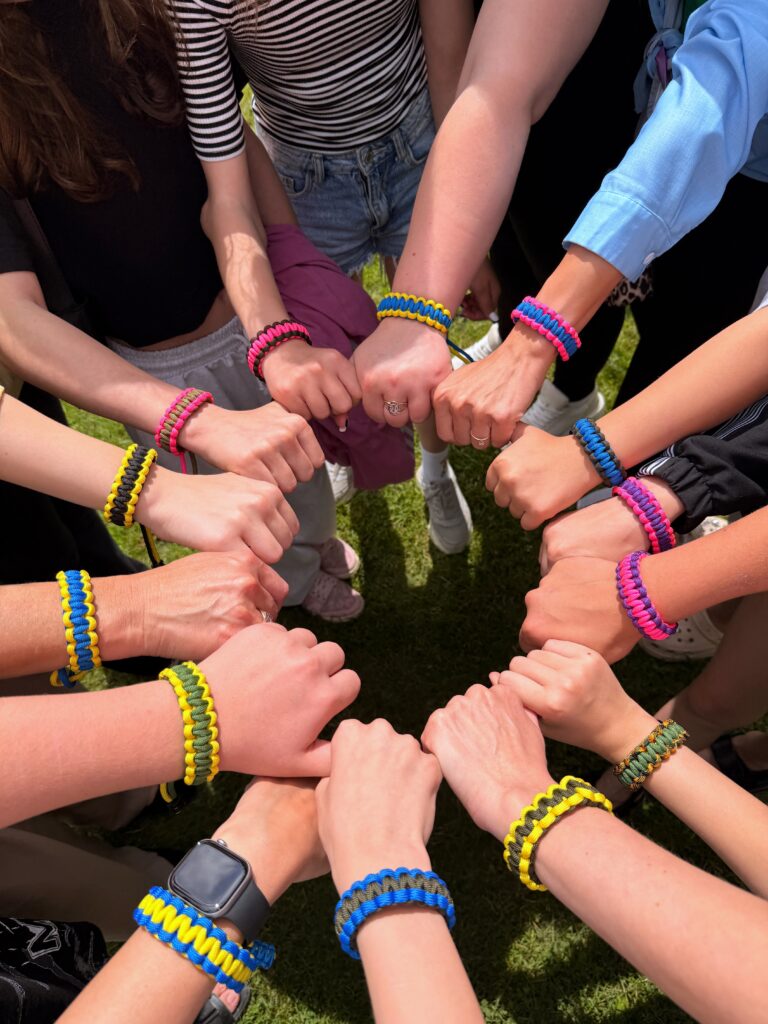
Another valuable aspect of the camp was that all the participants shared a similar life experience. This naturally created an atmosphere of trust, understanding, and mutual support.
During the final reflection, the group created a symbolic “backpack” in which each participant wrote down what she was taking home from Žilina. The words that appeared most often were peace, new friendships, a sense of safety, rest, shared experiences, new ways of coping with difficult situations, and hope.
A Break from Air Raid Sirens and Shelters
As the stay drew to a close, we asked the mothers and children what they would be taking home from Žilina. Their answers were strikingly similar. They did not talk about specific trips or activities. Instead, they spoke most often about the peace they had experienced, the sense of safety they had felt, and the opportunity to spend twelve days without air raid sirens or having to run to shelters.
For people in Slovakia, quiet nights and life without the constant threat of attacks are part of everyday life. For families from Dnipro, they are precious moments that have become all too rare at home.
Olga, one of the camp participants, described how the war has transformed the place where she lives.
“I’m from the small town of Ternivka in Ukraine’s Dnipropetrovsk region, closer to the areas where the fighting is taking place. There used to be open fields along the roads. Today, they’re lined with anti-drone nets. It’s hard to explain what that’s like until you see it with your own eyes.”
For many of the mothers, the greatest gift they took home from Žilina was the chance to set aside their daily worries, if only for a little while, and experience the simple comfort of living in safety.
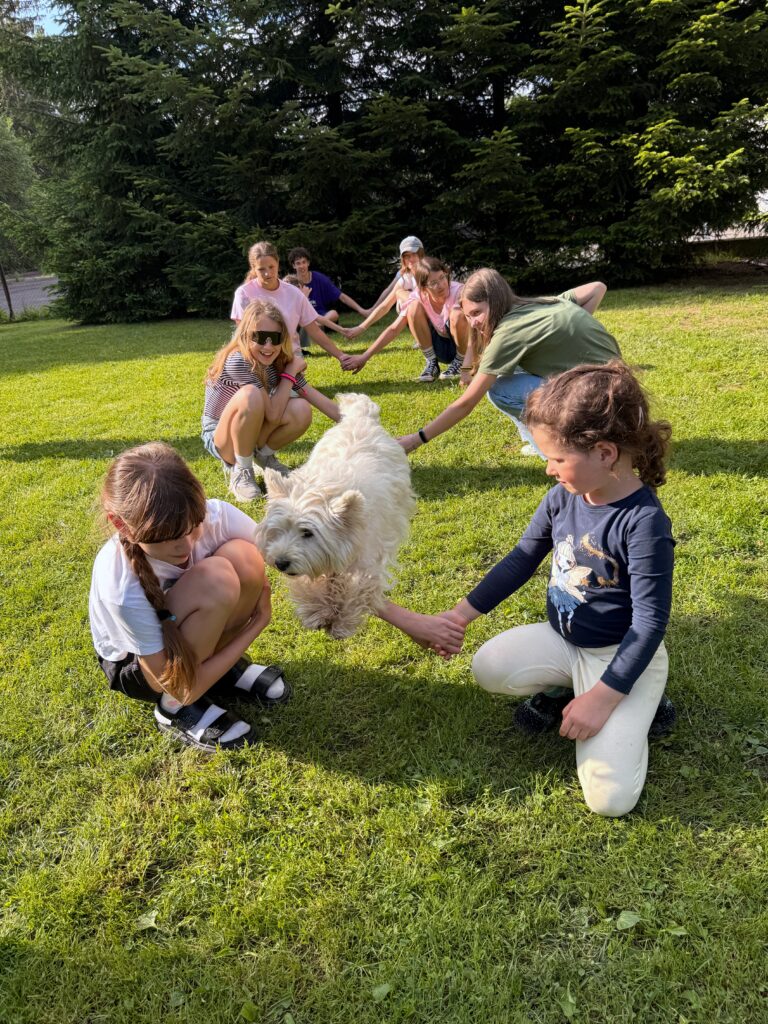
This year’s camp was also special because of the atmosphere within the group. The children spent very little time on their phones. Instead, they naturally played together, took part in sports, and formed new friendships. Close bonds developed among the mothers as well. Some even discovered during the stay that they lived just a few streets apart back home in Dnipro, despite never having met before. They now plan to stay in touch and continue meeting after returning home.
A Partnership That Makes a Real Difference
The stay was made possible through the joint efforts of the City of Žilina, People in Peril, and many local partners. Volunteers, interpreters, the University of Žilina, the Žilina Regional Library, IPčko, the Žilina City Theatre, and a number of other cultural and community organisations all contributed to making the programme a reality.
“The true value of a partnership between cities is reflected in the tangible support it brings to people,” says Nina Gubišová, Community Coordinator for Žilina at People in Peril.
Volunteers played an essential role in the programme, helping with activities, interpretation, and children’s events. Their support made a significant contribution to creating an environment where the participants felt welcome, safe, and cared for.
The stay also demonstrated that partnerships between cities can be much more than formal agreements. When local government, civil society, and the wider community work together, they can provide meaningful support to people whose lives have been shaped by war—in this case, twelve days of peace, safety, and a childhood free from air raid sirens.